
Rich Dad Poor Dad is a personal finance classic that has sparked debates and inspired millions to rethink their approach to money. At Winchell House, where we champion frugality, home ownership, and a smart mix of safe investments like high-yield savings and the S&P 500, we find this book a thought-provoking read for anyone starting their financial journey.
Who is Robert Kiyosaki?
Robert Kiyosaki is an entrepreneur, investor, and financial educator best known for his unconventional views on money management. With a background that spans both traditional employment and self-made success, Kiyosaki introduces readers to a mindset that challenges conventional wisdom. His story centers around the contrasting lessons he learned from two father figures, his own, whom he calls his “Poor Dad,” and his best friend’s father, the “Rich Dad.” These experiences laid the foundation for his views on financial independence and wealth building.
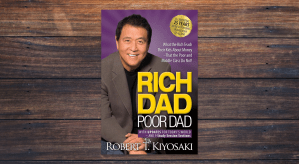
Book Summary
In Rich Dad Poor Dad, Kiyosaki contrasts the financial philosophies of his two dads. His “Poor Dad” represents traditional advice: get a good education, find a secure job, and work hard for money. Meanwhile, his “Rich Dad” teaches him to make money work for him by investing wisely, understanding the difference between assets and liabilities, and taking calculated risks. Rich Dad Poor Dad emphasizes that true financial freedom comes from creating passive income streams and acquiring assets, lessons that resonate with anyone trying to escape the cycle of living paycheck to paycheck. Kiyosaki challenges readers to rethink their attitudes toward work, education, and money, advocating for a proactive approach to building wealth.
Personal Finance Lessons
Rich Dad Poor Dad offers several key takeaways for those seeking financial independence:
- Invest in Assets: Rich Dad Poor Dad stresses the importance of buying assets that generate income. While Kiyosaki leans toward entrepreneurial ventures, we recommend building a robust S&P 500 nest egg.
- Mindset Shift: Kiyosaki encourages readers to move away from the mindset of trading time for money. Instead, focus on creating additional income streams, whether through real estate, stocks, or starting a side business.
- Budget and Control Spending: Although not the main focus of the book, managing a budget is essential for reducing credit card debt and ensuring that extra money is available for investments. Using popular budgeting apps can help track spending and maintain financial discipline.
- Education and Advice: Rich Dad Poor Dad highlights the importance of continuous financial education. While Kiyosaki’s advice is controversial at times, seeking guidance from a trusted financial advisor can help tailor these lessons to your personal situation.
Criticisms of Rich Dad Poor Dad
Despite its popularity, Rich Dad Poor Dad is not without its critics:
- Oversimplification: Some argue that Rich Dad Poor Dad simplifies complex financial issues, potentially leading readers to underestimate the risks involved in unconventional investments.
- Anecdotal Evidence: Critics point out that many of Kiyosaki’s lessons are based on personal anecdotes rather than systematic research, making it hard for some readers to translate the advice into actionable steps.
- Risk Tolerance: Rich Dad Poor Dad sometimes promotes riskier financial strategies that may not align with the more conservative, balanced approach advocated by Winchell House. We recommend a blend of safe investments—like high-yield savings accounts, short-term treasury bills, and a diversified portfolio including the S&P 500—along with sound budgeting practices.
Final Thoughts
Rich Dad Poor Dad continues to inspire readers to challenge conventional financial wisdom. While some of its advice may seem radical or oversimplified, the book’s core message (understanding the difference between assets and liabilities and taking control of your financial destiny) is invaluable.
We believe in combining the entrepreneurial spirit encouraged by Kiyosaki with proven strategies like maintaining a balanced portfolio, using effective budgeting tools, and prioritizing home ownership. By blending these approaches, you can work toward true financial independence while managing everyday challenges like credit card debt and navigating a complex financial landscape.
No matter where you are on your financial journey, the lessons from Rich Dad Poor Dad can serve as a catalyst for making smarter, more informed decisions. Remember, the path to financial freedom is unique to each individual. Consider seeking advice from a financial advisor to craft a strategy that’s right for you.









 Winchell House
You must be logged in to post a comment.