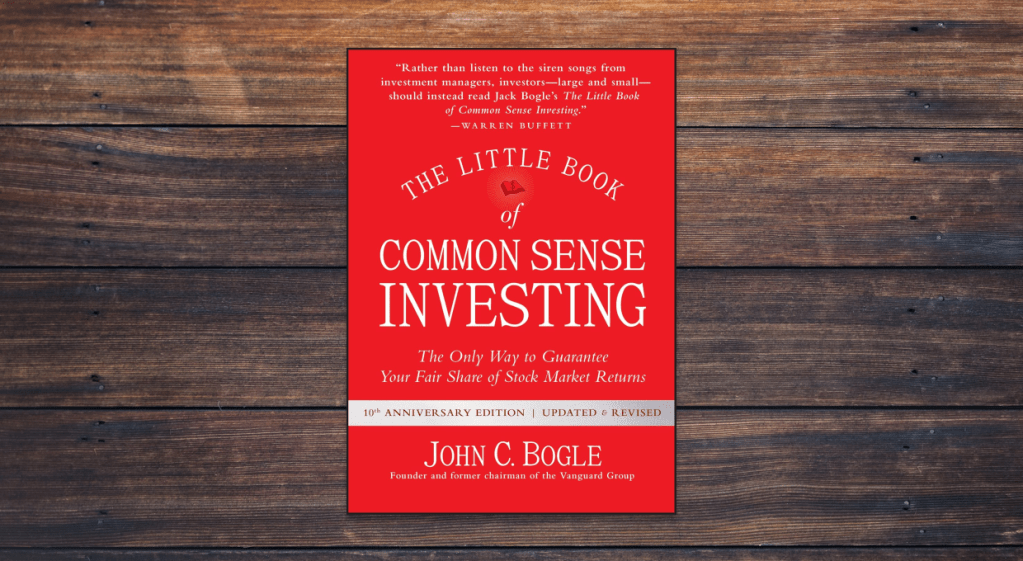
John “Jack” Bogle was a pioneering investor and the founder of Vanguard Group, a company renowned for its low-cost index funds. His innovative approach to investing revolutionized the financial world by emphasizing simplicity, low fees, and long-term growth. Bogle’s legacy endures through his advocacy of common sense investing—a philosophy that aligns perfectly with the goals of achieving financial independence and building wealth over time.
Let’s talk about his classic book, The Little Book of Common Sense Investing.
Book Summary
The Little Book of Common Sense Investing distills the essence of Bogle’s investment philosophy into an accessible guide. The book makes a compelling case for the power of index funds, particularly those tracking the S&P 500. Bogle argues that, rather than chasing short-term market trends or relying on active management, investors are best served by embracing a diversified, low-cost strategy. His straightforward approach is designed to help individuals sidestep the pitfalls of high fees and underperforming mutual funds, ensuring that they capture their fair share of the market’s historical 10% annual return.

Personal Finance Lessons

The lessons in this book extend beyond the realm of investing:
- Keep a Smart Budget: Just as Bogle champions simplicity in investing, maintaining a clear, well-planned budget is essential for financial success. By monitoring spending with popular budgeting apps, you can better allocate funds toward investments and savings.
- Tackle Credit Card Debt: Before diving into the world of index investing, it’s crucial to address high-interest credit card debt. Eliminating these financial drains frees up resources for building your S&P 500 nest egg.
- Aim for Financial Independence: Bogle’s focus on long-term growth and low-cost investing provides a roadmap for achieving financial independence. By consistently investing and allowing your money to compound over time, you’re taking key steps toward a secure financial future.
- Consult a Financial Advisor: While the book provides invaluable insights, every financial journey is unique. Seeking advice from a trusted financial advisor can help tailor these strategies to your personal situation, ensuring that your investment plan fits your long-term goals.
Criticisms of the Book
While many praise The Little Book of Common Sense Investing for its clarity and enduring principles, it is not without its criticisms:
- Oversimplification: Some critics argue that the book’s straightforward approach can oversimplify the complexities of the market, leaving out nuances that more experienced investors might seek.
- Limited Scope: The focus on index funds may not fully address alternative investment strategies or the potential benefits of active management in certain market conditions.
- Changing Market Dynamics: Given that the book was written decades ago, some of its insights may not completely reflect today’s evolving financial landscape and technological advancements in investing.
Final Thoughts
The Little Book of Common Sense Investing is a must-read for anyone embarking on their personal finance journey. John Bogle’s timeless wisdom underscores the value of simplicity, discipline, and long-term planning in building wealth.
Whether you’re fine-tuning your budget, managing credit card debt, or planning for financial independence, the principles in this book provide a solid foundation.
While it may not address every nuance of modern investing, its core messages continue to resonate, making it a valuable resource for both novice and seasoned investors alike.









 Winchell House
You must be logged in to post a comment.