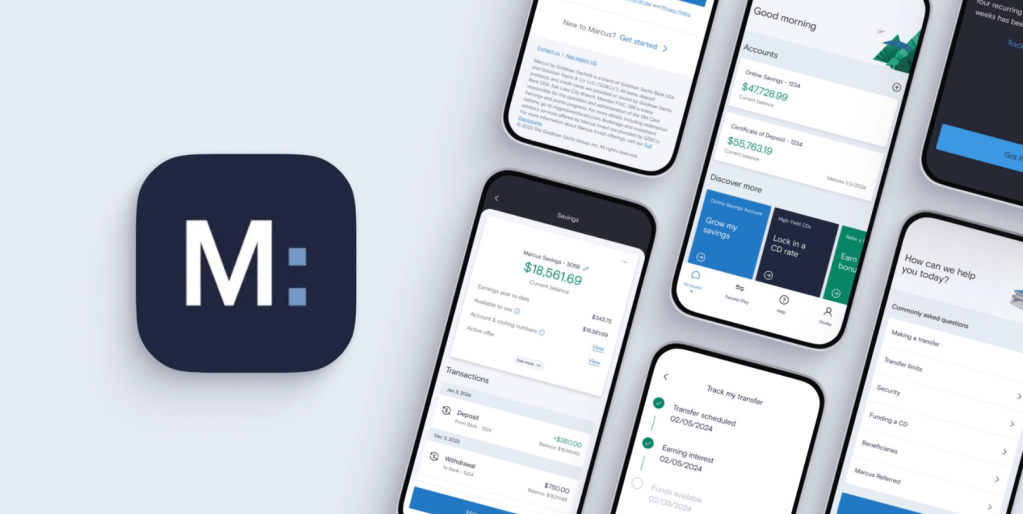
Neo-banks, or digital-only banks, have transformed the financial landscape, offering innovative solutions for modern banking needs. This article explores the benefits, features, and top neo-banks, providing insights for savvy individuals seeking streamlined financial management.
What are Neo-Banks?
Neo-banks are financial institutions that operate exclusively online or through mobile apps, eliminating traditional branch networks.
Key Benefits of Neo-Banks
- Convenience: Manage finances anywhere, anytime.
- Lower Fees: Reduced or eliminated maintenance, overdraft, and ATM fees.
- Higher Interest Rates: Competitive rates for high-yield savings accounts.
- User-Friendly Apps: Intuitive interfaces for seamless banking.
Top Neo-Banks
- Chime: Offers fee-free overdrafts and early direct deposit. In June 2025 Chime went public on the Nasdaq under the ticker CHYM, pricing at $27 a share and raising $864 million. Even as a public company it is still a technology company, not a bank: its accounts are provided through partner banks, The Bancorp Bank and Stride Bank.
- SoFi: Provides cashback rewards and investment integration. Note that SoFi is no longer really a neo-bank at all. In 2022 it received a national bank charter and now operates as SoFi Bank, N.A., a real bank that holds its own deposits.
- Revolut: Features real-time spending updates and budgeting tools. (Replaces N26, which shut down its U.S. operations in January 2022 to focus on Europe.)
- Varo: Offers high-yield savings accounts and financial education. Varo received a national bank charter in 2020, the first U.S. consumer fintech to do so, which makes it an actual bank rather than a fintech renting one.

Neo-Bank Features
- Mobile Payments: Easy peer-to-peer transactions.
- Budgeting Tools: Track expenses and set financial goals.
- Real-Time Alerts: Stay informed about account activity.
- Customer Support: Accessible assistance through chat or phone.
Security and Regulation
Neo-banks are:
- FDIC-insured through partner banks: deposits are generally protected up to $250,000 per depositor, but the insurance is provided by the neo-bank’s chartered partner bank, not the neo-bank itself.
- Regulated: Comply with federal and state banking laws.
- Encrypted: Secure transactions and data storage.
Most neo-banks are not actually banks
This is the single most important thing to understand, and the post’s ‘Security and Regulation’ section glosses over it. Most neo-banks are technology companies that partner with a chartered bank. Your deposits are FDIC insured, usually up to $250,000, but the insurance flows through the partner bank, not the app on your phone. That arrangement works fine until it doesn’t. In 2024 the industry got a painful lesson. Synapse Financial Technologies, a behind-the-scenes company that connected fintech apps to banks, went bankrupt, and customers of apps built on its rails found themselves locked out of their money for months while banks, fintechs, and a court-appointed trustee argued over whose ledger was right. The FDIC later proposed rules to make these arrangements clearer, but the core lesson stands on its own: when you open an account with a neo-bank, find out which chartered bank actually holds your deposits, and understand that the app and the bank are two different companies. A bank failure is covered by FDIC insurance. A fintech failure in the middle is a mess nobody has fully sorted out yet.
Who Are Neo-Banks For?
- Digital Natives: Comfortable with online banking.
- Frequent Travelers: Benefit from low international fees.
- Budget-Conscious: Appreciate reduced fees and higher interest.
Choosing the Right Neo-Bank
Consider:
- Fees: Look for low or no fees.
- Interest Rates: Compare rates for savings accounts.
- Customer Support: Evaluate support options.
- Mobile App: Assess user experience.
The industry grew up: what changed
When this post was written, neo-banks were insurgents. Two years later the story is consolidation and legitimacy. Chime’s 2025 IPO valued it around $11.6 billion, less than half its $25 billion private valuation from 2021, which tells you the pandemic-era fintech euphoria has cooled. SoFi and Varo crossed the divide and became actual banks. N26 and Monzo tried America and left. Revolut, the biggest European survivor, still operates in the U.S. through a partner bank while pursuing licenses market by market. For you as a customer, the practical upshot is that the categories have blurred. The question is no longer ‘neo-bank or traditional bank’ but a checklist: who holds the deposits, what does the account pay, what are the fees, and does the app do what you need. A neo-bank can still be the right answer, especially for low fees and a good app. Just buy it for what it is today, not for the disruption story from 2021.









 Winchell House
You must be logged in to post a comment.