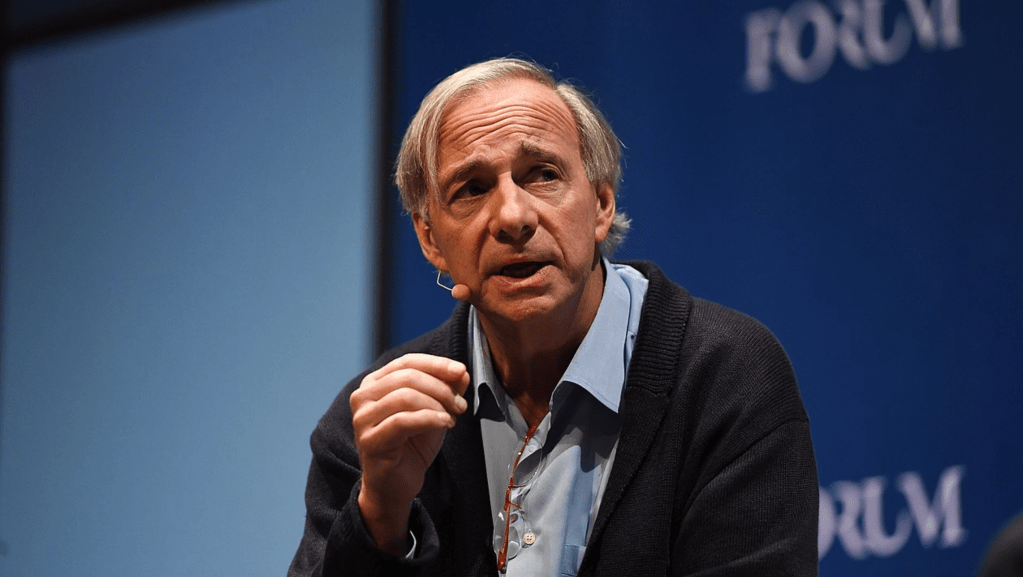
Ray Dalio, founder of Bridgewater Associates, is a renowned investor, philosopher, and entrepreneur. With a net worth of roughly $20 billion, though trackers vary, Dalio’s success offers valuable lessons for individuals seeking financial freedom. After five decades at Bridgewater, he completed his exit from the firm in 2025, selling his remaining stake and resigning from its board, and now writes and mentors instead of running a hedge fund. As we explore his journey and principles, we will uncover actionable tips for personal finance.
From Trading to Radical Transparency
Dalio’s career began with trading commodities, but his reputation grew with Bridgewater Associates, now one of the world’s largest hedge funds. His innovative approach emphasizes:
- Radical Transparency: Dalio advocates for open communication, ensuring team members understand decision-making processes.
- Meritocratic Culture: Encouraging constructive criticism and idea-sharing.
- Principles-Based Decision-Making: Applying timeless principles to guide investment choices.

Timeless Investment Strategies
Dalio’s investment philosophy focuses on:
- Diversification: Spreading risk across asset classes to minimize losses.
- Risk Parity: Allocating risk equally across investments.
- Global Macro Investing: Considering economic trends and geopolitical factors.
The 2025 Exit: Life After Bridgewater
Dalio’s departure was a decade in the making. He stepped down as CEO in 2017, gave up his voting rights and co-chief investment officer role in 2022, and in July 2025 Bridgewater repurchased the last ownership shares held by Dalio-related entities. He resigned from the board and described himself as thrilled to see Bridgewater “alive and well without me.” The Brunei Investment Agency acquired a minority stake in the firm as part of the transition, and longtime co-CIO Bob Prince became the largest individual partner.
What Dalio does now matters more for readers than his old job title. He writes, teaches his principles, and warns about what he calls the end of the long-term debt cycle. His core message of recent years: the United States spends far more than it brings in, the appetite of foreign buyers for U.S. debt is weakening, and the combination risks a stagflationary period like the 1970s. His recommended posture is familiar Dalio: diversify, own real assets like gold, and do not assume the good times in any one currency are permanent. You do not need a macro desk to apply the lesson. A regular investor can diversify across asset classes, keep costs low, and avoid betting everything on one country’s economy.
Personal Finance Takeaways
Apply Dalio’s principles to your financial journey:
- Diversify Your Portfolio: Balance stocks, bonds, and alternative investments.
- Set Clear Financial Goals: Establish principles guiding your financial decisions.
- Stay Informed: Continuously learn about markets and economic trends.
- Avoid Emotional Decision-Making: Separate emotions from investment choices.
Books by Dalio
Principles: Life and Work
Ray Dalio’s Principles: Life and Work is a transformative guide to personal and professional growth, offering readers a rare glimpse into the inner workings of one of the world’s most successful investors. The book stands out for its clarity and practicality, presenting Dalio’s hard-earned insights in a structured, easy-to-follow manner. Through a compelling blend of personal anecdotes and actionable frameworks, Dalio encourages readers to embrace radical transparency, thoughtful decision-making, and a relentless pursuit of truth. Whether you’re a leader seeking to build a strong organizational culture or an individual striving for self-improvement, Principles delivers timeless wisdom applicable to virtually every aspect of life.
Book Review: Principles for Dealing with the Changing World Order by Ray Dalio
A Template for Understanding Big Debt Crises
Ray Dalio’s A Template for Understanding Big Debt Crises is an essential read for anyone seeking to understand the intricate dynamics of economic cycles and financial crises. Drawing from decades of research and real-world experience, Dalio dissects past crises with remarkable depth, offering a systematic approach to identifying patterns and predicting outcomes. The book’s mix of theory, case studies, and practical templates makes it a treasure trove for economists, policymakers, and investors alike. Dalio’s ability to distill complex concepts into actionable insights not only enhances financial literacy but also equips readers with the tools to navigate and prepare for future economic turbulence.
How Countries Go Broke (2025)
Dalio’s 2025 book is the capstone of his debt-cycle research. He lays out the mechanics of how nations borrow until they cannot, the warning signs he watches (rising debt service crowding out spending, buyers demanding higher rates, central banks printing to fill the gap), and what happened in the historical cases that did go broke. For investors, the message is practical: understand where your portfolio sits in the debt cycle and hold some assets that do not depend on any government’s promises.
By embracing Ray Dalio’s timeless principles and strategies, individuals can cultivate financial resilience and make informed decisions.









 Winchell House
You must be logged in to post a comment.