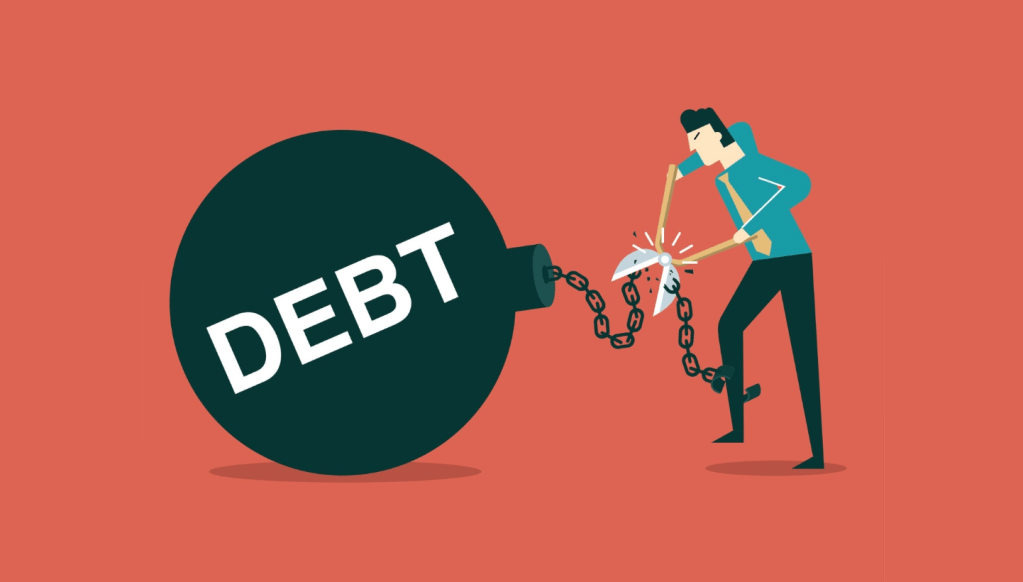
Are you struggling with credit card debt and wondering whether you should focus on saving or paying off your debt? You’re not alone. Many Americans face this dilemma, and the answer can have a significant impact on your financial well-being.
Understanding the Importance of Emergency Savings
Having a cushion of savings can provide peace of mind and protect you from going further into debt when unexpected expenses arise. Aim to save 3-6 months’ worth of living expenses in a readily accessible savings account, such as a high-yield savings account.
The High Cost of Credit Card Debt
Credit card debt, on the other hand, can be a significant financial burden. With accounts that carry a balance averaging around 21 to 22% APR as of 2026, per Federal Reserve data, credit card debt can quickly spiral out of control. Paying off high-interest debt should generally be your top priority.
Let the rate spread decide
The question has a math answer, and it is not close. A $5,000 credit card balance at 22% costs you roughly $1,100 a year in interest. The same $5,000 in a high-yield savings account at around 4% earns you $200. Every dollar you move from the savings account to the card balance earns a guaranteed 22% return, tax-free and risk-free. No investment on earth reliably pays 22%.
The rule of thumb follows from that spread: any debt costing you more than about 15% outranks saving beyond a small starter cushion. At 15% or above, paying down the balance beats anything a savings account or even the stock market can promise you with certainty. The stock market might return 10% in a good year. Your credit card charges 22% in every year. You do not need to predict markets to beat a guaranteed return. You just need to point your dollars at the highest cost first.
This is also why the standard advice order exists: a small emergency cushion first, then the expensive debt, then real saving. Each step is just the rate spread talking.
Keep a $1,000 starter cushion first
The one exception to “kill the debt first” is a small one. Before throwing everything at the balance, park $1,000 in a separate savings account and do not touch it except for genuine emergencies. The reason is mechanical, not motivational. Without a cushion, every flat tire and vet bill goes right back onto the card at 22%, and you spend the year digging the same hole twice.
This is not the 3-to-6-month emergency fund the post describes earlier. That comes after the debt is gone. The starter cushion is a circuit breaker, nothing more. One thousand dollars, separate account, hands off. Then every spare dollar goes to the highest-rate balance until the cards are at zero. Once they are, you take the payment you were making and redirect it into the real emergency fund. Same dollars, better job.

Paying Off Credit Card Debt vs. Saving: Which Should You Prioritize?
So, which should you prioritize? The answer depends on your individual financial situation. Consider the following:
- If you have high-interest credit card debt (above 15%): Focus on paying off your credit card debt as aggressively as possible. Consider consolhttps://winchellhouse.com/2024/11/22/debt-consolidation-loans-are-they-worth-it/idating your debt into a lower-interest credit card or personal loan.
- If you have no credit card debt: Focus on building up your emergency fund and investing for long-term goals, such as retirement.
Strategies for Paying Off Credit Card Debt
If you’ve decided to prioritize paying off your credit card debt, here are some strategies to consider:
- Snowball method: Pay off your credit cards with the smallest balances first, while making minimum payments on the rest.
- Avalanche method: Pay off your credit cards with the highest interest rates first, while making minimum payments on the rest.
- Debt consolidation: Consolidate your credit card debt into a lower-interest credit card or personal loan.
Paying off credit card debt and saving for emergencies are both important financial goals. By prioritizing your goals based on your individual financial situation and using strategies like the snowball or avalanche method, you can make progress on paying off your debt and becoming financially independent.









 Winchell House
You must be logged in to post a comment.