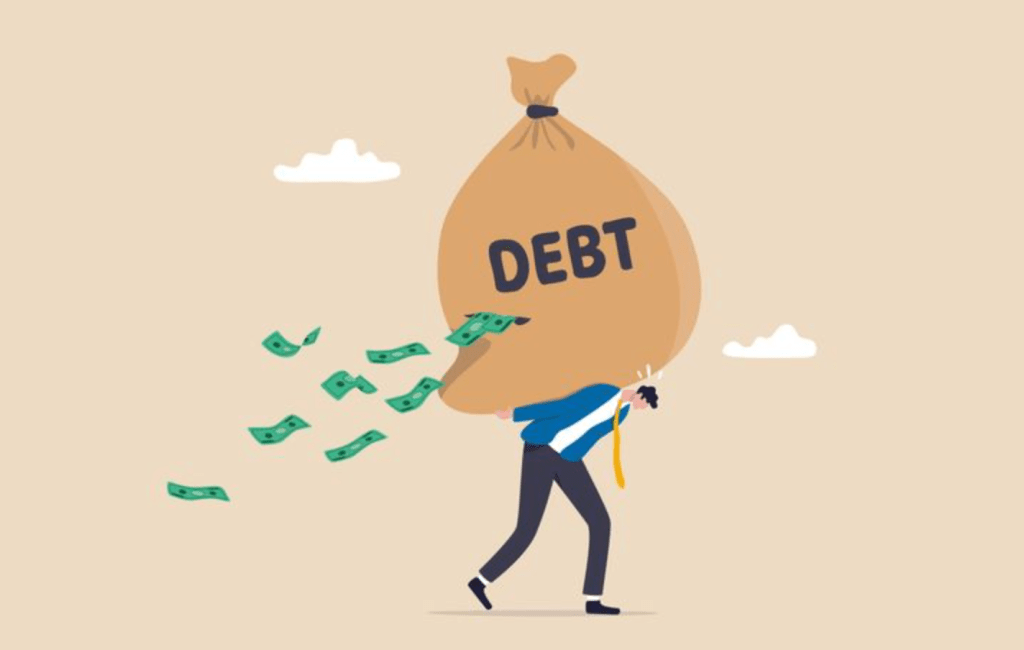
Buy Now, Pay Later (BNPL) programs have gained immense popularity in recent years, offering consumers the flexibility to make purchases and pay for them in installments. While these programs can be beneficial for savers, they also come with risks that can lead to financial pitfalls if not used wisely.
The Benefits of Buy Now, Pay Later Programs
For responsible consumers, BNPL programs can be a great way to make purchases without incurring interest charges. By splitting payments into manageable installments, consumers can avoid paying exorbitant interest rates often associated with credit cards. This can be especially beneficial for large purchases, such as electronics or furniture, where paying upfront might be challenging. Essentially, BNPL programs can provide consumers with a 0% interest rate, making them an attractive option for those who can afford to make timely payments.

The Risks of Buy Now, Pay Later Programs
However, BNPL programs can also be a slippery slope for consumers who are not financially disciplined. One of the significant risks associated with these programs is the potential for late fees. Missing a payment can result in substantial late fees, which can quickly add up and negate any benefits of using the program. Furthermore, BNPL programs can encourage overspending, as consumers may feel less inclined to track their expenses when they’re not paying the full amount upfront. This can lead to a cycle of debt, where consumers find themselves struggling to make payments and accumulating additional fees.
The BNPL Industry in 2026
A lot has changed since BNPL was a novelty at online checkouts. Klarna went public on the New York Stock Exchange in September 2025, listing under the ticker KLAR at $40 a share for a valuation around $15 billion. That is a long way down from its 2021 peak above $45 billion, but the listing cemented BNPL as a permanent fixture of consumer credit rather than a pandemic fad.
Regulators are catching up. In December 2025 the Consumer Financial Protection Bureau published its most comprehensive market report to date, covering six major providers from 2019 through 2023: about $45.2 billion in originations with an average loan size of just $135. The agency had already issued an interpretive rule treating BNPL like credit cards for dispute rights, refunds on returned products, and billing statements, so shoppers now have clearer protections when something goes wrong with a purchase. The Richmond Federal Reserve followed with its own analysis in February 2026.
The credit reporting picture is still evolving. FICO announced in late 2025 that it would incorporate BNPL data into credit scores, and Affirm reports its loans to all three major bureaus, which means on-time payments can help build credit and missed ones can hurt it. Klarna and Afterpay, on the other hand, have said they will not send loan data to U.S. bureaus, so their plans remain largely invisible to the credit system. Meanwhile traditional banks including JPMorgan, Citigroup, and American Express now compete directly with card-linked installment plans of their own, and those bank plans swept the industry’s 2025 customer satisfaction ratings.
Using Buy Now, Pay Later Programs Wisely
To reap the benefits of BNPL programs while minimizing the risks, consumers must use them wisely. Here are some tips to keep in mind:
- Only use BNPL programs for essential purchases or items you can afford to pay for in installments.
- Carefully review the terms and conditions of the program, including any potential late fees or interest charges.
- Make sure you understand the repayment schedule and can afford to make timely payments.
- Avoid using BNPL programs for discretionary purchases or items you don’t need immediately.
- Keep track of your expenses and ensure you’re not overspending.
By being mindful of the benefits and risks associated with BNPL programs, consumers can use them to their advantage and make smart financial decisions. Remember, these programs are not a substitute for responsible spending habits and should be used judiciously to avoid financial pitfalls.
The Credit Score Angle Most Shoppers Miss
That reporting gap deserves a second look because it cuts both ways. If your BNPL plan is reported, disciplined use can quietly strengthen your credit history, which is genuinely useful for younger shoppers with thin files. But the more common setup, especially with the classic pay-in-four plan, has been a soft credit check and no reporting at all, which means months of perfect payments build no credit history while a debt sent to collections can still damage it.
Before choosing a plan, check whether the provider reports to the bureaus and how it handles missed payments. A free-looking installment plan that never helps your credit is still free, but it is not the credit-building tool some shoppers assume it is.









 Winchell House
You must be logged in to post a comment.