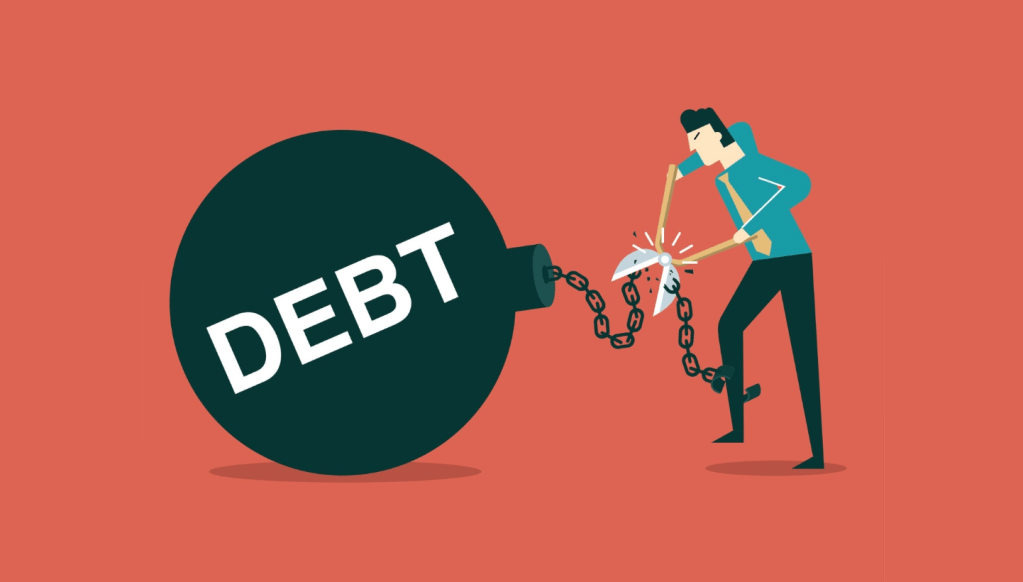
Debt can feel like a heavy weight on your shoulders, but paying it off doesn’t have to mean sacrificing everything you enjoy. With the right strategy, you can eliminate debt and still maintain a lifestyle that feels comfortable and sustainable. Here’s how you can pay off debt without feeling broke.
Start With a Budget That Works for You
The first step to paying off debt is knowing exactly where your money is going. A well-planned budget gives you clarity and control over your finances. You don’t need to deprive yourself of everything—you just need to prioritize.
- Track your spending: Use a budgeting app like Simplifi to categorize expenses and see where your money is going.
- Identify areas to cut back: Look for non-essential spending that you can reduce, such as dining out, subscriptions, or impulse purchases.
- Allocate extra funds to debt: Once you identify savings, direct those dollars toward your debt. Even small amounts make a difference over time.
By building a budget that reflects your goals and lifestyle, you can avoid the feeling of deprivation.
Choose a Repayment Strategy That Motivates You
Paying off debt is much easier when you follow a method that keeps you motivated. The two most popular strategies are the debt snowball and the debt avalanche:
- Debt Snowball: Start by paying off your smallest debt first while making minimum payments on others. Once the smallest debt is paid off, roll that payment into the next smallest debt. This method builds momentum and gives you quick wins.
- Debt Avalanche: Focus on paying off the debt with the highest interest rate first while making minimum payments on others. This method minimizes the total amount of interest you pay over time.
Choose the strategy that feels right for you—whether you need the motivation of quick wins or the savings of minimizing interest.

Automate Your Payments
Automation takes the stress out of paying off debt. By setting up automatic payments, you ensure you’re consistently making progress without having to think about it.
- Schedule minimum payments to avoid late fees.
- Add extra payments whenever possible to accelerate your progress.
Most banks and budgeting apps allow you to schedule payments, which can help you stay on track without the temptation to spend elsewhere.
Build an Emergency Fund (Even While Paying Debt)
It may seem counterintuitive to save money while paying off debt, but having an emergency fund is essential. Unexpected expenses, like car repairs or medical bills, can derail your progress if you’re not prepared.
- Start with a small goal, such as saving $500 to $1,000.
- Keep this money in a high-yield savings account where it’s easily accessible but earns some interest.
An emergency fund protects you from relying on credit cards when life throws you a curveball.
Cut Costs Without Cutting Joy
You don’t have to stop living your life to pay off debt. Instead, look for ways to save money while still enjoying yourself:
- Cook at home: Try fun, affordable recipes instead of dining out.
- Find free or low-cost entertainment: Explore local parks, free events, or game nights with friends.
- Cancel unused subscriptions: If you’re not using a service, cut it and redirect the money toward debt or find free alternatives to ones you do pay for.
By being intentional about where you spend, you can still enjoy life without feeling like you’re missing out.
Increase Your Income (and Direct It to Debt)
If cutting expenses isn’t enough, look for ways to increase your income. A little extra money can make a big difference when it comes to paying off debt.
- Pick up a side hustle: Freelancing, driving for a rideshare service, selling items online, or other side hustles can add to your income.
- Sell unused items: Declutter your home and use the proceeds to pay down debt.
- Negotiate a raise: If you’ve been excelling at your job, consider asking for a pay increase.
The key is to direct any extra income straight to your debt instead of increasing your spending.
Celebrate Small Wins Along the Way
Paying off debt is a long-term goal, so it’s important to celebrate milestones. Whether you’ve paid off a credit card or reached a specific amount of debt reduction, take a moment to recognize your progress.
- Treat yourself to something small, like a movie night or your favorite coffee.
- Keep a visual tracker, like a chart or app, to see how far you’ve come.
Celebrating small victories keeps you motivated and focused on the bigger picture.
A Worked Example: What Doubling Your Payment Does to $10,000 at 21 Percent
The abstract advice to pay extra becomes concrete with one example. Take a $10,000 credit card balance at 21 percent APR, close to the national average in 2026. Pay $200 a month, roughly a minimum payment, and the math is brutal: ten full years of payments and about $13,973 in total interest, meaning you repay nearly $24,000 for $10,000 of spending. Every month, roughly $175 of your payment is interest alone. That is the minimum-payment trap in one number.
Now double it. Pay $400 a month on the same balance and the picture transforms: the debt is gone in 2 years and 10 months, and total interest falls to about $3,266. The extra $200 a month saves roughly $10,700 in interest and more than seven years of payments. This is why the avalanche and snowball methods both work: the strategy matters less than the size of the payment. If you take one number from this post, take this one. An extra $200 a month is not twice as good as the minimum. On high-rate debt, it is roughly seven times as good.
Know Your Number: The 2026 Rate Reality Check
Debt payoff starts with knowing exactly what your debt costs. The average credit card APR sits around 21 percent in 2026, while the 30-year mortgage rate is near 6.8 percent and a high-yield savings account pays roughly 4 percent. That spread is the whole game. Money earning 4 percent in savings while 21 percent debt compounds against you is not saving, it is subsidizing your lender. This is also why the emergency fund advice in this post is deliberately small: $500 to $1,000 is enough to stop new borrowing, and every dollar beyond that earns more killing 21 percent debt than sitting in a 4 percent account.
Rank your debts by rate, highest first, and attack them in that order unless the psychology of quick wins matters more to you than the math. Then protect the win: the month a card hits zero, redirect its entire payment to the next balance before lifestyle creep absorbs it. And once the high-rate debt is gone, point that same monthly amount at your future self. A $400 monthly payment that killed a credit card balance becomes a $400 monthly investment. The habit you built is the asset. The debt was just its first assignment.
Progress Over Perfection
Paying off debt doesn’t mean sacrificing your quality of life. By budgeting effectively, choosing a repayment strategy, and finding ways to save without feeling deprived, you can make steady progress without feeling broke. Remember, every dollar you put toward your debt gets you one step closer to financial freedom. Stay consistent, celebrate your wins, and keep moving forward.









 Winchell House
You must be logged in to post a comment.