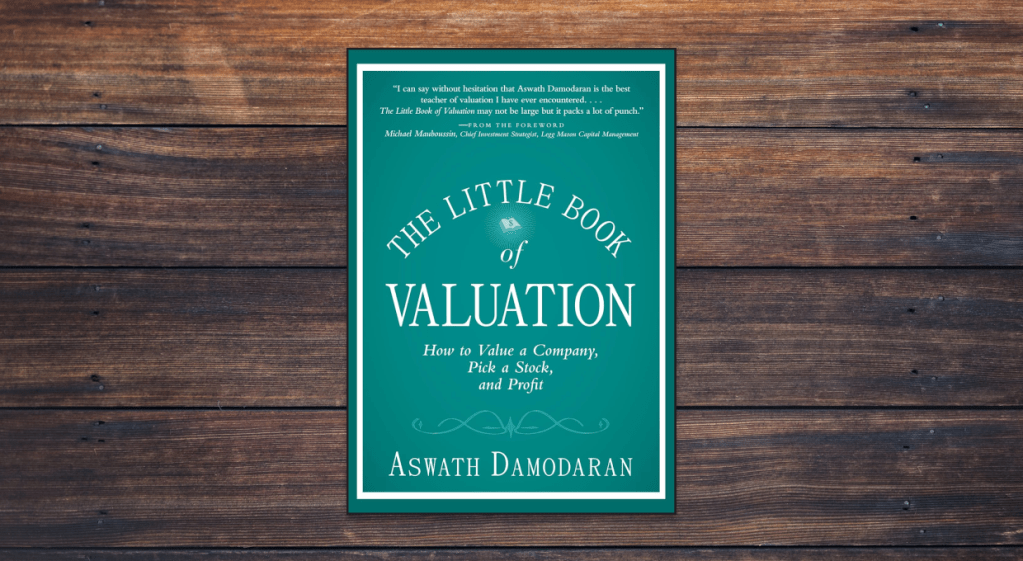
In the vast world of personal finance and investing, finding a resource that simplifies complex ideas is essential. The Little Book of Valuation: How to Value a Company, Pick a Stock and Profit by Aswath Damodaran offers just that.
This book provides readers with practical tools to understand company valuation, an important aspect of building long-term wealth and achieving financial independence.
Who is Aswath Damodaran?

Aswath Damodaran is a renowned finance professor at New York University’s Stern School of Business and is often referred to as the “Dean of Valuation.” His expertise spans decades, and his accessible teaching style has earned him a loyal following among both finance professionals and individual investors. Damodaran’s work demystifies the art and science of valuing companies, making it an invaluable resource for anyone looking to make informed investment decisions—whether you’re managing a tight budget or planning to build a substantial nest egg.

Investing Lessons from the Book
One of the primary takeaways from The Little Book of Valuation is the importance of understanding what a company is truly worth. Damodaran breaks down various valuation techniques, such as discounted cash flow analysis and relative valuation methods, enabling readers to assess whether a stock is overvalued or undervalued. This approach can be especially useful for those who prefer a disciplined investment strategy over speculative ventures.
For readers on a journey toward financial independence, the book reinforces the idea that informed investing goes hand in hand with living a frugal lifestyle.
By understanding valuation, investors can allocate their money more wisely—whether that means building an S&P 500 portfolio or ensuring they aren’t burdened by unnecessary credit card debt. The insights from The Little Book of Valuation serve as a valuable complement to traditional personal finance advice, including budgeting, reducing expenses, and seeking guidance from a trusted financial advisor when needed.
Not For Beginners
Some readers might find that the technical details can be overwhelming, especially for beginners who are just starting to manage their personal finances. The methods described sometimes require a solid foundation in finance, which might necessitate additional learning or consultation with a financial advisor.
Moreover, a few critics argue that the book’s focus on valuation techniques does not fully address market behaviors influenced by emotions and external economic factors, aspects that are crucial for a comprehensive investing strategy.
Final Thoughts
The Little Book of Valuation is a compelling read that bridges the gap between high-level investment theory and practical, everyday finance.
We believe that smart investing starts with education and disciplined financial management. As you work to eliminate credit card debt and build a secure future, consider this book as one of many tools to help guide you.









 Winchell House
You must be logged in to post a comment.