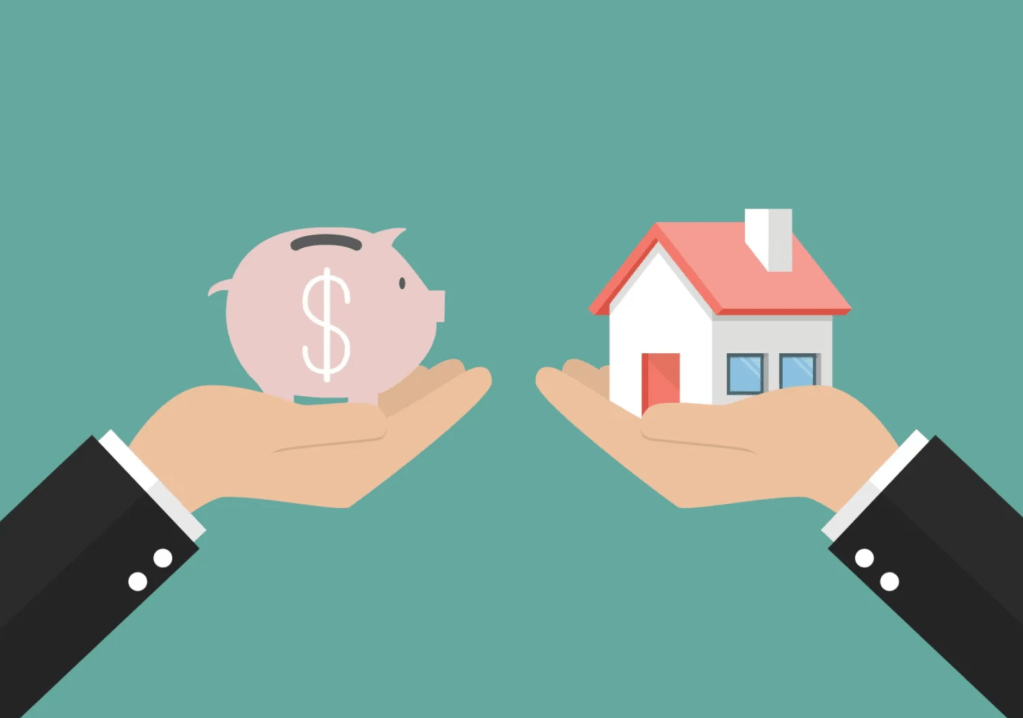
Deciding whether to pay off your mortgage early is a significant financial decision. It’s important to weigh the benefits and drawbacks to determine what’s best for your situation. Here’s a closer look at the pros and cons of paying off your mortgage early.
Pros of Paying Off Your Mortgage Early
Financial Freedom
Owning your home outright means one less monthly payment to worry about. This can free up your budget for other goals like travel, retirement savings, or pursuing a passion project.
Interest Savings
Mortgages often come with substantial interest payments over the life of the loan. By paying off your mortgage early, you can save thousands of dollars in interest, especially if you’re in the early years of a 30-year mortgage.
Reduced Financial Risk
Eliminating your mortgage reduces your financial obligations, providing a safety net during tough times. Without a mortgage payment, it’s easier to weather unexpected expenses or job loss.
Psychological Benefits
Debt can be a source of stress for many people. Paying off your mortgage can provide a sense of security and peace of mind, knowing you fully own your home.

Cons of Paying Off Your Mortgage Early
Opportunity Cost
Paying off your mortgage early means tying up cash in your home rather than investing it. Historically, the stock market—as reflected by $VOO’s average annual return of 10%—has provided better long-term growth than the low interest rates on most mortgages.
Loss of Liquidity
Once you use your cash to pay off your mortgage, it’s locked into your home. Accessing it may require taking out a new loan, which could come with fees and higher interest rates.
Potential Tax Implications
Mortgage interest is tax-deductible for many homeowners. Paying off your mortgage early could mean losing out on this deduction, particularly if you itemize deductions on your taxes.
Limited Diversification
Paying off your mortgage early concentrates more of your wealth in your home. This could limit your ability to diversify your financial portfolio, which is key to managing risk.
Key Factors to Consider
When deciding whether to pay off your mortgage early, keep these factors in mind:
- Interest Rate: Compare your mortgage rate to the potential returns from investments. If your mortgage rate is low, investing your money might be a better option.
- Emergency Fund: Ensure you have a robust emergency fund before making extra mortgage payments. Aim for at least 3-6 months of living expenses.
- Other Debt: If you have high-interest debt, like credit card balances, prioritize paying that off first.
- Retirement Savings: Maximize contributions to tax-advantaged retirement accounts like a 401(k) or IRA before paying off your mortgage early.
- Personal Goals: Consider your financial goals and lifestyle preferences. For some, the emotional benefit of being mortgage-free outweighs financial considerations.
The Math: $1,000 Against the Mortgage vs. in the Market
Every extra dollar toward principal earns a guaranteed return equal to your mortgage rate. On a 6.5 percent loan, putting an extra $1,000 toward the mortgage is a risk-free 6.5 percent return. Left alone for ten years, that $1,000 saves you about $877 in interest you would otherwise have paid.
The same $1,000 in an index fund might earn 10 percent a year on average, growing to about $2,594 over ten years before taxes. That is roughly $717 more than the mortgage prepayment saved, but the two outcomes are not equally certain. The mortgage saving is guaranteed the day you pay. The market return is an average with real down years mixed in, and the gain is taxable when you sell while the mortgage interest you avoided was never taxed in the first place.
So the honest comparison is guaranteed 6.5 percent with zero risk versus maybe 10 percent with real volatility. If your mortgage rate sits above 7 percent, the guaranteed return is genuinely competitive with what most people should expect from a balanced portfolio after taxes and risk. Below 4 percent, investing usually wins. Between those, liquidity and your sleep quality should break the tie.
When Paying Off Early Is the Clear Winner
Three situations tilt the decision decisively toward prepayment. First, a high rate you cannot refinance away. If you are stuck above 7 percent and refinancing is not on the table, every extra principal dollar earns that high rate risk-free, which is hard to beat anywhere else.
Second, retirement is close and the payment is large. Entering retirement with a mortgage that eats a quarter or more of your fixed income is a cash-flow problem, not just a math problem. Eliminating the payment before you stop working can matter more than squeezing out an extra point of return.
Third, you do not itemize deductions. Since the standard deduction rose, most homeowners no longer itemize, which means the mortgage interest deduction is worth exactly zero to them. If you take the standard deduction, the “but you lose the tax break” argument against prepayment does not apply to you at all. For how the tax code treats homeowners more broadly, this review of Be Smart, Pay Zero Taxes is the site’s best-selling tax resource, and Buy a House or Invest? frames the bigger own-versus-invest question.
Bottom Line
Paying off your mortgage early can bring financial peace and security, but it’s not the right choice for everyone. Evaluate your overall financial picture, weigh the pros and cons, and make a decision that aligns with your goals and priorities. If you’re unsure, consider speaking with a financial advisor to explore the best options for your situation.









 Winchell House
You must be logged in to post a comment.