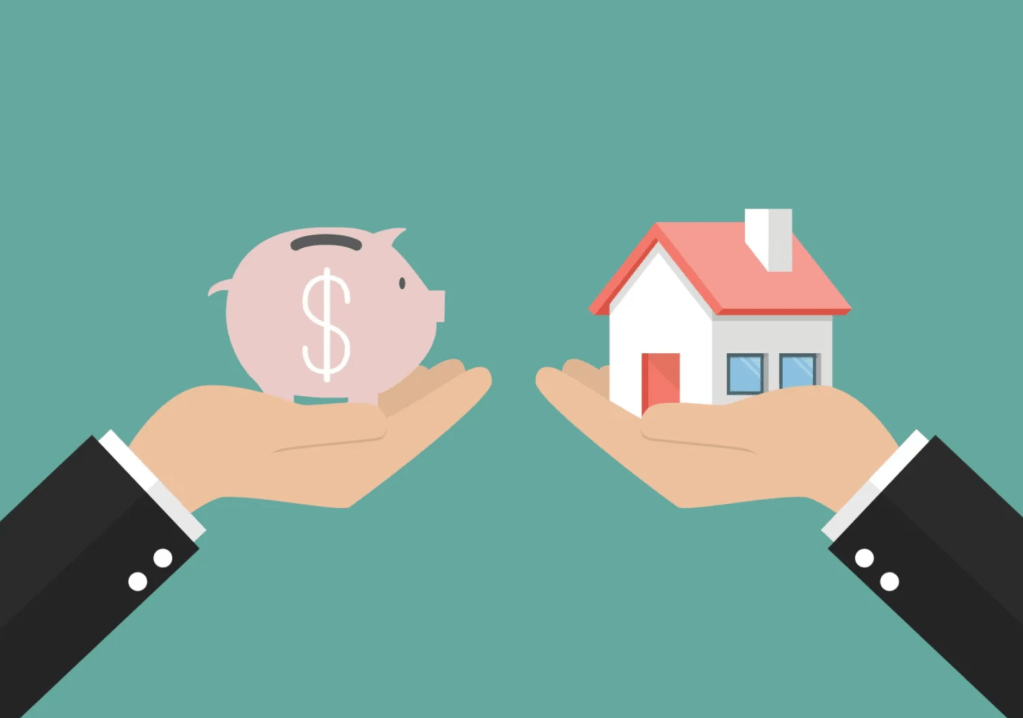
The U.S. Department of Housing and Urban Development, known as HUD, plays a critical role in American life by shaping housing policies, offering support for low-income households, and promoting fair access to affordable homes. Whether you’re a first-time homebuyer, a renter, or simply curious about how government programs can impact your financial life, understanding HUD is essential.
HUD’s Mission and Purpose
HUD was established in 1965 as part of President Lyndon B. Johnson’s “Great Society” program. Its core mission is to create strong, sustainable, inclusive communities and quality affordable homes for all. It aims to improve lives through housing assistance, enforce fair housing laws, and support community development.
For many Americans, housing is the single largest expense in their budget. Knowing how HUD works—and how it might help you or others—can lead to better financial decisions and more opportunities to build long-term wealth.
Key Programs and Services HUD Provides
HUD oversees a wide range of programs. Here are some of the most important:
1. Public Housing and Housing Choice Vouchers (Section 8)
HUD helps low-income individuals and families afford rent through two main avenues:
- Public Housing: Federally funded properties managed by local public housing authorities (PHAs).
- Housing Choice Vouchers (Section 8): These allow eligible participants to rent privately-owned homes while receiving a subsidy that covers part of the rent.
These programs help millions of Americans reduce housing costs and stabilize their financial lives.
2. Federal Housing Administration (FHA) Loans
HUD oversees the Federal Housing Administration, which insures loans made by approved lenders to borrowers with low to moderate incomes. FHA loans offer:
- Low down payment options (as low as 3.5%)
- More flexible credit score requirements
- Competitive interest rates
FHA loans are especially popular among first-time homebuyers trying to break into the market without large savings or perfect credit.
3. Fair Housing and Equal Opportunity
HUD enforces the Fair Housing Act, which prohibits discrimination based on race, color, national origin, religion, sex, disability, or family status. If you’ve ever worried about being treated unfairly when renting or buying a home, HUD is the agency that ensures your rights are protected.
4. Homelessness Assistance Programs
HUD funds services that support people experiencing homelessness. It works with state and local agencies to provide emergency shelters, transitional housing, and permanent supportive housing.
This work is more than charity. It’s about helping people stabilize their lives and rebuild a foundation for the future, including financial security.
5. Community Development Block Grants (CDBG)
Through the CDBG program, HUD gives grants to cities and states to fund projects that benefit low- and moderate-income residents. These can include:
- Building affordable housing
- Upgrading infrastructure in underserved neighborhoods
- Creating job opportunities
By improving community conditions, these grants can indirectly affect the financial health of residents through increased job access and housing stability.
Why HUD Matters for Your Finances
For many Americans, understanding how to manage money starts with understanding housing—whether that’s figuring out how much rent you can afford, saving for a down payment, or knowing your rights as a tenant. HUD’s work touches all of these areas.
Learning about HUD can help you:
- Save money on housing through rental assistance or an FHA loan
- Understand your legal rights in housing transactions
- Avoid housing scams or discrimination
- Tap into educational resources for first-time buyers and renters
HUD Resources to Explore
HUD offers a wide range of tools and resources on its official website. These include:
- A housing counselor search tool, where you can find government-approved financial advisors and housing counselors in your area
- First-time homebuyer education, including guides and checklists
- Information on local public housing authorities and how to apply for assistance
If you’re on a journey to improve your financial health, spending time exploring HUD’s free resources is a smart move. It’s also a great reminder that learning about money isn’t just about the stock market or budgeting apps—it’s also about understanding the systems and policies that impact where you live and what it costs.
The FHA Loan in Numbers: What 3.5 Percent Down Really Costs
Take a $300,000 home bought with the FHA minimum down payment of 3.5 percent. That is $10,500 down, leaving a $289,500 loan. The insurance that makes this loan possible has two parts. The upfront mortgage insurance premium is 1.75 percent of the loan amount, about $5,066, which is usually rolled into the loan rather than paid in cash. The annual premium is 0.55 percent of the loan amount, or roughly $132 a month, and unlike private mortgage insurance on conventional loans, it typically stays for the life of an FHA loan.
Add it up and the low down payment costs real money every month: that $132 premium is on top of principal, interest, taxes, and homeowners insurance. For many first-time buyers the trade is worth it, because saving a full 20 percent down payment can take a decade. But it is worth running the refinance math later: once you have 20 percent equity, switching to a conventional loan drops the premium and can save hundreds a month.
How to File a Fair Housing Complaint: The One-Year Deadline
If a landlord, lender, or seller discriminates against you based on race, color, national origin, religion, sex, disability, or family status, HUD is the agency that takes the complaint, and the clock starts immediately. You have one year from the date of the incident to file. Miss that deadline and HUD cannot open a case, no matter how strong the evidence.
Filing is free and starts online at hud.gov or by phone. After filing, HUD aims to complete its investigation within 100 days, and the process can end in conciliation, a formal charge, or referral to the Department of Justice for the strongest cases. Keep a paper trail from the start: save emails, write down dates and names, and keep copies of any applications or denial letters, because your memory of the timeline will be the weakest evidence a year later.
Final Thoughts
The U.S. Department of Housing and Urban Development isn’t just a government agency—it’s a powerful force that shapes the housing market and affects the everyday lives of millions of Americans. Whether you’re renting, buying, or just trying to better understand the economics of housing, HUD has resources and programs that can support your goals.
As you continue to build your financial knowledge, don’t overlook the importance of housing. For most people, housing is the biggest line item in their budget. Learning about HUD is a smart step toward financial independence, security, and peace of mind.









 Winchell House
You must be logged in to post a comment.