
Poverty finance is a branch of personal finance focused on meeting the needs of individuals and families living with no income or extremely low income. Unlike traditional financial advice—which often assumes you have money to invest, save, or allocate—poverty finance starts at the most basic level: survival. It recognizes that money decisions look very different when you’re choosing between paying for food or keeping the lights on.
Understanding the Basics
Most mainstream personal finance advice assumes the presence of disposable income. Budgeting tools, retirement accounts, and investment strategies are built for people who already have financial stability. Poverty finance looks at money from the other side. It asks: How do you stretch $700 a month? How do you avoid predatory lending when your credit score is low and your savings are nonexistent? How do you find a path forward when you’re buried under bills and have no safety net?
Poverty finance is about solving problems in a financial environment where every dollar matters. It emphasizes resourcefulness, access to assistance programs, and building habits that allow for long-term improvement, even when the starting point is well below the poverty line.
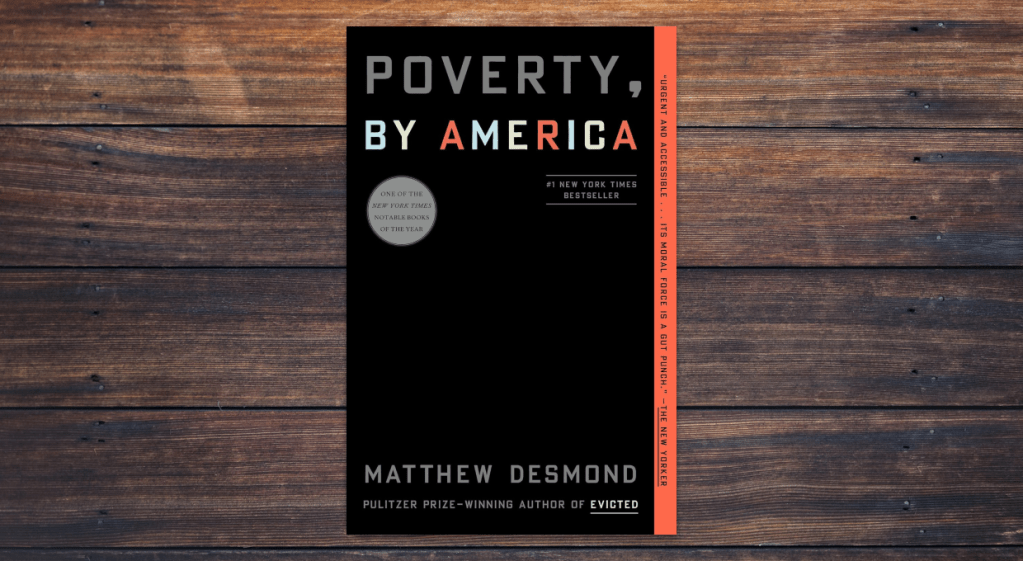
Key Principles of Poverty Finance
Prioritize Survival First
When money is tight, your first financial goal is not to save or invest—it’s to stay alive and stable. That means focusing on housing, food, utilities, and transportation. Programs like SNAP, Medicaid, and local housing assistance can help, and knowing how to apply and qualify is often the first step in a poverty finance strategy.
Avoid Predatory Financial Products
Payday loans, high-interest credit cards, and rent-to-own agreements may seem like solutions in an emergency, but they can trap people in cycles of debt. Poverty finance teaches you to recognize these traps and seek out community-based lending programs, credit unions, and financial counselors who specialize in low-income clients.
Use Budgeting Apps for Micro-Budgeting
Traditional budgeting apps like Simplifi or YNAB can feel too advanced when you’re living on very little, but they still offer value. Poverty finance involves micro-budgeting—tracking every dollar, understanding your spending patterns, and looking for small ways to cut costs or increase income. Budgeting tools can help clarify the few decisions you do have control over.
Build a Foundation, One Dollar at a Time
Even on a very low income, it’s possible to begin building a financial foundation. This might start with saving just $5 a month or opening a no-fee, high-yield savings account. Some banks and fintech apps offer rewards or bonuses for opening new accounts. Over time, these small moves can help you build a financial foothold.
Learn Through Books on Money and Mindset
Financial literacy can change your relationship with money, even if your income doesn’t change right away. Books on money like The Simple Path to Wealth by JL Collins or Your Money or Your Life by Vicki Robin are written with simple, powerful messages that can apply even to those starting with nothing. They help reshape how you think about spending, earning, and your future.
The True Cost of a Payday Loan
The poverty finance principle about predatory products deserves its own arithmetic, because the numbers are worse than most people imagine. Take the average payday loan: $375, with a typical fee of $15 for every $100 borrowed. That is $56.25 for two weeks of credit. Annualized, it works out to about 390 percent APR, a figure the Consumer Financial Protection Bureau has confirmed in its own research. A credit card at 24 percent looks expensive until you put it next to a product that charges sixteen times as much.
The trap is not the first loan, it is the rollover. Nearly half of payday borrowers take out ten or more loans a year, usually re-borrowing the day the last one closes. Roll that $375 loan ten times and you have paid $562.50 in fees on $375 of credit: you have paid for the loan one and a half times over and still owe the original $375. When a lender’s business model needs you to fail at repaying, the product is not a bridge, it is a toll booth. This is the single most expensive mistake in poverty finance, and avoiding it is worth more than any budgeting trick.
The Role of Community and Free Resources
Many communities offer free financial literacy programs, food pantries, job placement services, and nonprofit credit counseling. These are not just handouts—they’re lifelines. Poverty finance includes knowing where and how to access these resources to create a more stable environment.
Libraries can also be one of the best underused financial resources. They offer free internet access, job search assistance, and books that can teach you about budgeting, debt, and savings strategies.
Working With a Financial Advisor—Even When You’re Broke
You don’t need to be wealthy to work with a financial advisor. Many nonprofit organizations offer free or low-cost financial counseling to people in poverty. These advisors understand the unique challenges of managing money on a low income and can help build a plan that’s realistic and non-judgmental.
Look for advisors affiliated with the National Foundation for Credit Counseling (NFCC) or local United Way programs.
Why Poverty Finance Matters
Poverty finance matters because the traditional personal finance world often overlooks those with the greatest need. If the advice doesn’t meet people where they are, it doesn’t help. Everyone deserves financial dignity, and that includes people just trying to get by.
Financial literacy, smart habits, and access to the right tools can empower someone in poverty to take control—even if progress is slow. Small, consistent actions can lead to stability and eventually growth.
A Worked Example: Budgeting $700 for a Month
Micro-budgeting is easier to believe when you see one done. Start with $700 for the month. Rent in a shared room: $400. Groceries: $150, stretched with SNAP benefits (the average SNAP household gets about $188 a month per person). Bus pass: $60. Prepaid phone: $30. That leaves $60, and the discipline is in what happens to it: $30 into a no-fee savings account, $30 held as a buffer for the inevitable surprise. Nothing here is comfortable. Every line is doing a job.
Notice what this budget does not include: no payday loan payment, no overdraft fees, no rent-to-own installment. That is not an accident, it is the strategy. The poverty finance playbook is really two moves repeated monthly: keep the fixed costs brutally low, and route every spare dollar away from products designed to eat it. A $30 monthly transfer looks like nothing. Kept up for a year with no fees attached, it is $360 of proof that the system works, and proof is what turns a budget into a habit.
Final Thoughts
Poverty finance isn’t about chasing wealth—it’s about reclaiming control over your money, even when you don’t have much of it. It’s about avoiding pitfalls, making thoughtful choices, and building a better future step by step. Whether you’re starting at zero or supporting someone who is, understanding poverty finance is a vital part of making personal finance truly personal.









 Winchell House
You must be logged in to post a comment.