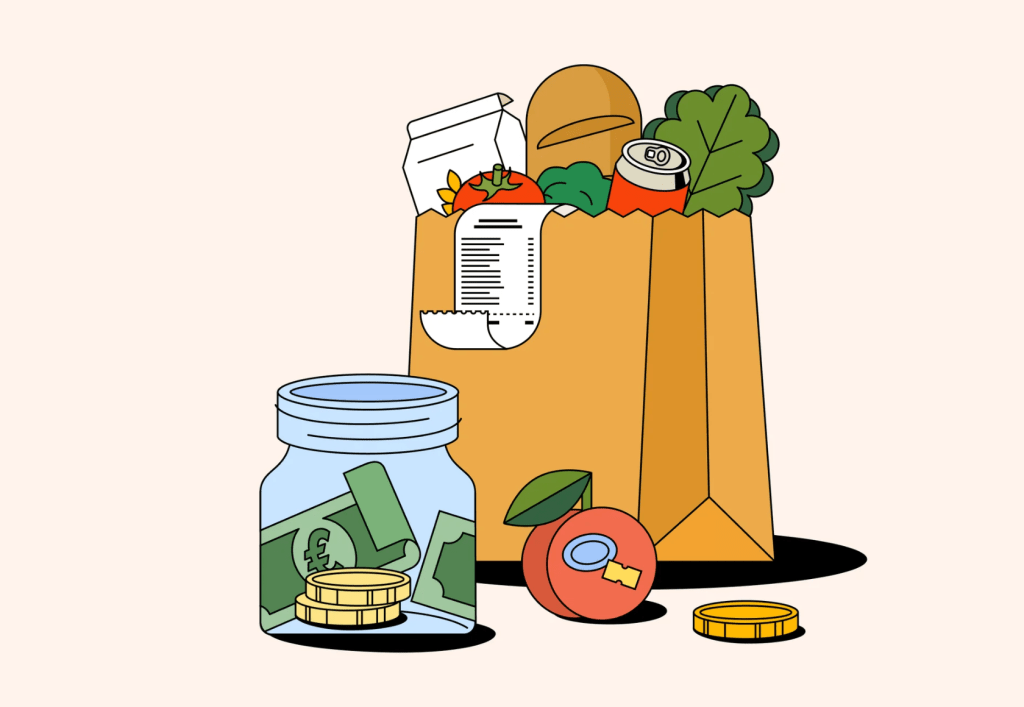
The Supplemental Nutrition Assistance Program, commonly known as SNAP, is a federal program that helps low-income individuals and families buy food. Funded by the U.S. Department of Agriculture (USDA) and administered at the state level, SNAP provides monthly benefits through an electronic benefits transfer (EBT) card. These benefits can be used at authorized grocery stores, farmers markets, and some online retailers.
SNAP is the largest anti-hunger program in the United States, supporting millions of households each month. Its goal is to reduce food insecurity and ensure that people have access to nutritious meals, even during times of financial hardship.
How SNAP Works
SNAP benefits are loaded monthly onto an EBT card, which works like a debit card. The amount a household receives depends on income, expenses, and household size. Generally, the lower a household’s income and resources, the higher the benefit amount they may qualify for.
The benefits can be used to purchase most food items, including:
- Fruits and vegetables
- Meat, poultry, and fish
- Dairy products
- Bread and cereals
- Snacks and non-alcoholic beverages
SNAP benefits cannot be used for alcohol, tobacco, vitamins, medicines, or hot prepared foods.
How the benefit amount is actually calculated
Eligibility gets you in the door. The amount comes from a formula. Start with the maximum allotment for your household size. For the fiscal year running October 1, 2025 through September 30, 2026, the maximums for the 48 contiguous states and D.C. are $298 a month for a one-person household and $994 a month for a household of four (Alaska, Hawaii, Guam, and the U.S. Virgin Islands have higher schedules). Then subtract 30 percent of your household’s net monthly income. The result is your monthly benefit, with a $24 minimum for one- and two-person households.
A worked example: a family of four with $1,500 in net monthly income. Thirty percent of $1,500 is $450. Subtract that from the $994 maximum and the benefit is $544 a month. The logic behind the 30 percent is that SNAP expects households to spend about 30 percent of their own income on food, and the program covers the gap up to the maximum. These figures reset every October 1 with the federal cost-of-living adjustment, so treat any number you read, including these, as current-year only. One caution: Congress has been rewriting SNAP eligibility rules through 2026, so verify the current requirements with your state agency before applying rather than relying on last year’s summary.
Who Qualifies for SNAP
Eligibility for SNAP is based on income and resources, with requirements varying slightly by state. In general, to qualify you must:
- Have a household income at or below certain limits, based on the federal poverty level
- Be a U.S. citizen or meet specific immigration requirements
- Meet work requirements if you are an able-bodied adult without dependents
- Provide proof of residency in the state where you are applying
Households with higher expenses for housing, childcare, or medical costs may qualify for higher benefits.
College students: the rules are stricter for you
Students get a special, tougher set of rules. If you are enrolled at least half-time in college, a university, or a trade or technical school, you are ineligible for SNAP unless you meet one of the federal exemptions. The most common ways through: working an average of 20 hours a week, participating in a state or federally funded work-study program, being under 18 or over 49, having a physical or mental disability, receiving TANF, or caring for a young child. Enrolled less than half-time, and the normal income rules apply with no extra test.
This matters because food insecurity on campuses is common and underreported, and many students assume they do not qualify without ever checking the exemptions. If you work a campus job at 20 hours a week, you may already clear the bar. Pair that knowledge with a real plan for the money you do have: building an emergency fund as a college student.
Why SNAP Matters
SNAP not only reduces hunger but also improves overall health by making it easier to afford fresh, healthy food. Studies have shown that families receiving SNAP benefits are better able to meet nutritional needs and experience less food insecurity.
It also provides an economic boost to communities. Because SNAP benefits are typically spent quickly and locally, they support grocery stores, farmers markets, and other food retailers. This spending can help sustain jobs and stimulate local economies.
How to Apply for SNAP
Applications for SNAP are handled by each state’s social services agency, often online or in person at a local office. When applying, you will need to provide documentation such as:
- Proof of identity and citizenship status
- Income verification
- Housing and utility expense records
- Social Security numbers for all household members
Once approved, benefits usually begin within 30 days. In emergencies, some applicants may receive benefits within a week.
Common Myths About SNAP
Several misconceptions surround SNAP. Some believe it is only for unemployed people, but many recipients are working individuals or families whose income is not enough to cover basic needs. Others think it is widely abused, but fraud rates are relatively low due to strict eligibility checks and monitoring.
Final Thoughts
SNAP plays a vital role in helping millions of Americans afford food while maintaining dignity and choice in how they shop. Whether used temporarily during a financial setback or as ongoing support, the program is a lifeline for those working toward greater financial stability.
Combined with budgeting apps, a high-yield savings account, and long-term investing strategies like an S&P 500 nest egg, SNAP can help bridge the gap toward a stronger financial future.









 Winchell House
You must be logged in to post a comment.