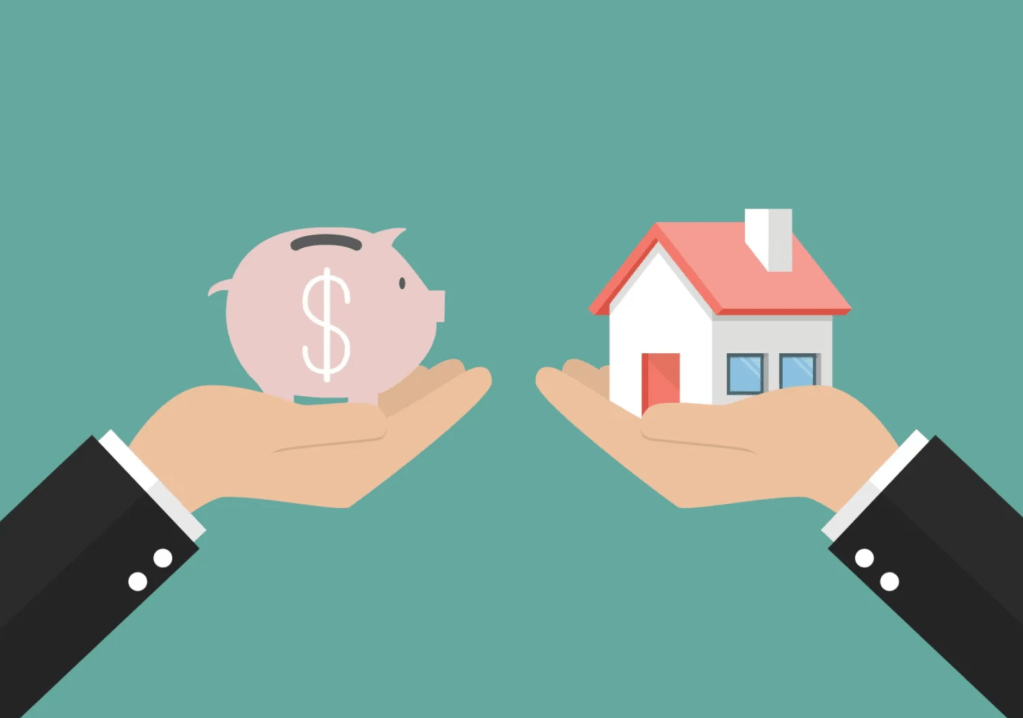
Foreclosure is a legal process that allows a lender to take possession of a home when the borrower fails to make required mortgage payments. It is one of the most serious financial setbacks a household can experience, often following months or years of financial stress. Understanding how foreclosure works, why it happens, and how to avoid it is critical for anyone who owns a home or plans to buy one.
Foreclosure is not an instant event. It is a multi step process governed by state law, mortgage contracts, and court procedures. While the outcome is often the loss of the home, many homeowners have opportunities to intervene before that happens.
How Foreclosure Works
When you take out a mortgage, you agree to repay the loan according to a set schedule. If you fall behind on payments, the loan becomes delinquent. After a certain period, typically 90 to 120 days of missed payments, the lender may initiate foreclosure.
There are two primary types of foreclosure in the United States.
Judicial foreclosure requires the lender to file a lawsuit in court. A judge oversees the process and must approve the foreclosure before the home can be sold. This process is common in states that prioritize borrower protections but can take longer and cost more.
Non judicial foreclosure allows the lender to proceed without going through the courts, as long as the mortgage includes a power of sale clause. This process is generally faster and is more common in states with lender friendly laws.
Once foreclosure is completed, the home is usually sold at a public auction. If it does not sell, ownership may transfer to the lender, creating what is known as a real estate owned property.
Common Causes of Foreclosure
Foreclosure is rarely the result of a single bad decision. It usually stems from a combination of financial shocks and structural weaknesses in a household budget.
Job loss or reduced income is the most common trigger. Without sufficient savings, even a short disruption can make mortgage payments impossible.
Medical expenses also play a major role. Unexpected healthcare costs can overwhelm households that lack adequate insurance or emergency funds.
Divorce or separation often leads to foreclosure because housing costs that were manageable for two incomes become unsustainable for one.
Poor financial planning can contribute as well. Taking on too much house, relying on variable income, or failing to build a cash buffer increases the risk of foreclosure when conditions change.

The Financial Consequences of Foreclosure
Foreclosure has long lasting financial effects that extend far beyond losing a home.
Your credit score will typically drop significantly and remain damaged for years. A foreclosure can stay on your credit report for up to seven years, making it harder and more expensive to borrow money.
You may also lose all home equity. Any money you put into the home through a down payment, principal payments, or improvements can be wiped out.
In some states, lenders can pursue a deficiency judgment if the home sells for less than the outstanding mortgage balance. This means you could still owe money after the foreclosure.
Beyond the numbers, foreclosure creates emotional stress, disrupts family stability, and limits future housing options.
Foreclosure vs. Short Sale
A short sale occurs when a homeowner sells the property for less than the remaining mortgage balance with the lender’s approval. While still damaging to credit, a short sale is generally less harmful than foreclosure.
Short sales give homeowners more control over the outcome and can reduce the risk of additional legal or financial penalties. They also allow families to plan their next housing step rather than being forced out through a legal process.
How to Avoid Foreclosure
The most effective way to avoid foreclosure is to address financial trouble early. Waiting until payments are deeply overdue limits your options.
Building an emergency fund is critical. A high yield savings account with three to six months of expenses can provide breathing room during income disruptions.
Living below your means reduces risk. A smaller mortgage payment leaves more margin for error and aligns with a frugal lifestyle that prioritizes flexibility over appearances.
If trouble arises, contact your lender immediately. Many lenders offer hardship programs such as loan modifications, forbearance, or temporary payment reductions.
Working with a certified housing counselor can also help. These professionals can explain options, negotiate with lenders, and help you evaluate alternatives objectively.
The 120-Day Federal Rule: Your Protected Window
Federal law gives struggling borrowers a window that many never use. Under the CFPB’s mortgage servicing rules, 12 CFR 1024.41(f)(1), a servicer cannot make the first foreclosure notice or filing, the complaint, the notice of default, any of it, until the loan is more than 120 days delinquent. That is four missed payments of legal breathing room before the machinery can even start, and the rule applies to both judicial and non-judicial foreclosures. State timelines add their own delays on top.
The window gets wider if you act inside it. Submit a complete loss mitigation application before the servicer begins foreclosure and the servicer is barred from starting the process until your application is evaluated, and if you are denied, until any appeal is exhausted or you reject the options offered. This is why the post’s advice to call the lender early matters so much: day 30 is when you apply, not day 119. Borrowers who use the 120-day rule as a planning period get modifications; borrowers who use it as a waiting period get foreclosure notices.
Ranked by Damage: Foreclosure vs. Deed in Lieu vs. Short Sale
When keeping the home is off the table, the exit you choose sets the size of the crater. A short sale, covered in the earlier section, lets you sell with lender approval for less than the balance and usually does the least credit damage. A deed in lieu of foreclosure hands the keys to the lender voluntarily, skipping the auction and often negotiating away the deficiency balance in the process. A completed foreclosure is the worst of the three: the lender seizes the home through the legal process, the credit damage lasts up to seven years, and in states that allow deficiency judgments, the lender can keep chasing you for the shortfall afterward.
The practical ranking is simple. First choice: any option that keeps you in the home, modification, forbearance, or a repayment plan. Second: a short sale, which preserves the most dignity and the most credit. Third: a deed in lieu, which at least ends the uncertainty on your terms. Last: a contested foreclosure that runs the full legal course. Every step down that ladder costs more in credit damage, legal exposure, and time. The borrowers who land softly are not the ones with the most money; they are the ones who chose their exit before the lender chose it for them.
Foreclosure and Long Term Financial Health
Foreclosure is a painful experience, but it does not define your financial future. Many people rebuild successfully by focusing on fundamentals.
Learning about money through respected books on money and personal finance helps prevent repeat mistakes. Budgeting apps can provide clarity and accountability during recovery. Reestablishing good habits like consistent saving, conservative investing, and avoiding lifestyle creep creates a stronger foundation.
For those who eventually return to homeownership, patience matters. Rebuilding credit, maintaining stable income, and saving for a meaningful down payment all increase the odds of long term success.
Foreclosure is a reminder that housing is both a place to live and a major financial commitment. Understanding the risks and planning conservatively helps ensure that your home supports your life rather than threatens it.











You must be logged in to post a comment.