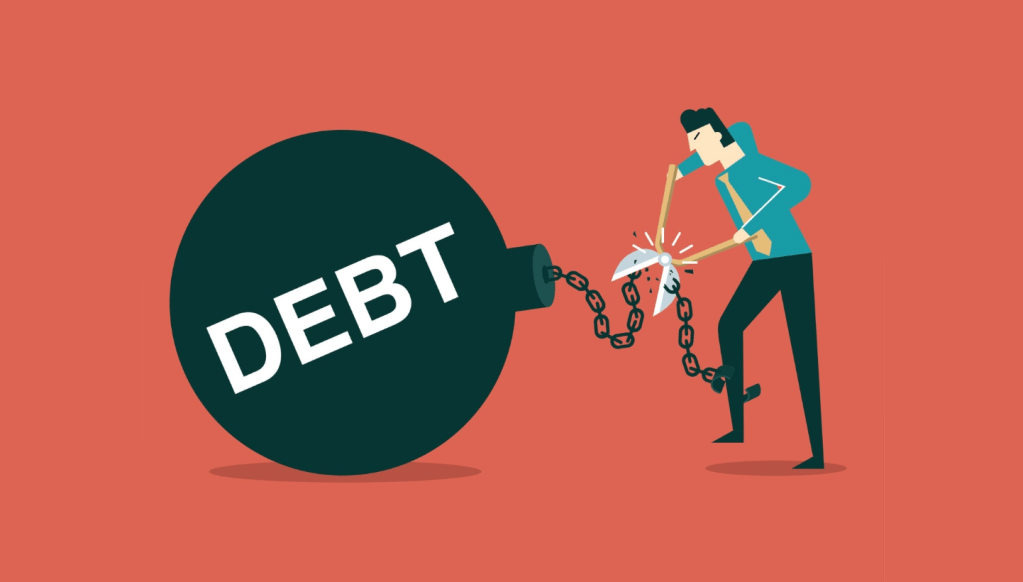
Are you struggling with credit card debt and wondering whether you should focus on saving or paying off your debt? You’re not alone. Many Americans face this dilemma, and the answer can have a significant impact on your financial well-being.
Understanding the Importance of Emergency Savings
Having a cushion of savings can provide peace of mind and protect you from going further into debt when unexpected expenses arise. Aim to save 3-6 months’ worth of living expenses in a readily accessible savings account, such as a high-yield savings account.
The High Cost of Credit Card Debt
Credit card debt, on the other hand, can be a significant financial burden. With average interest rates ranging from 15% to 25%, credit card debt can quickly spiral out of control. Paying off high-interest credit card debt should be a top priority, as it can save you money in interest payments over time.

Paying Off Credit Card Debt vs. Saving: Which Should You Prioritize?
So, which should you prioritize? The answer depends on your individual financial situation. Consider the following:
- If you have high-interest credit card debt (above 3%): Focus on paying off your credit card debt as aggressively as possible. Consider consolidating your debt into a lower-interest credit card or personal loan.
- If you have no credit card debt: Focus on building up your emergency fund and investing for long-term goals, such as retirement.
Strategies for Paying Off Credit Card Debt
If you’ve decided to prioritize paying off your credit card debt, here are some strategies to consider:
- Snowball method: Pay off your credit cards with the smallest balances first, while making minimum payments on the rest.
- Avalanche method: Pay off your credit cards with the highest interest rates first, while making minimum payments on the rest.
- Debt consolidation: Consolidate your credit card debt into a lower-interest credit card or personal loan.
Paying off credit card debt and saving for emergencies are both important financial goals. By prioritizing your goals based on your individual financial situation and using strategies like the snowball or avalanche method, you can make progress on paying off your debt and becoming financially independent.









 Winchell House
You must be logged in to post a comment.