Most recent money book reviews. See all ›
- Book Review: 1929 by Andrew Ross Sorkin
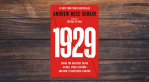 Andrew Ross Sorkin’s “1929” analyzes the 1929 stock market crash, highlighting the role of speculation, investor psychology, and regulatory failures while offering valuable lessons for modern investors.
 - Book Review: A Piece of the Action by Joe Nocera
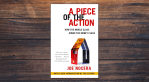 A Piece of the Action explores how the middle class became entwined in modern finance, emphasizing the influence of financial systems on individual behaviors and choices.
 - Book Review: Well Endowed by Vivian Tu
 Vivian Tu’s “Well Endowed” offers accessible personal finance insights, emphasizing intentional spending, financial literacy, and confidence, ideal for those beginning their financial journey.
 - Book Review: The Anxious Investor by Scott Nations
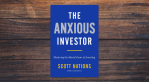 The Anxious Investor by Scott Nations explores the psychological challenges of investing, emphasizing emotional understanding and practical strategies for managing anxiety to enhance long-term financial success.
 - Book Review: 100 Baggers by Christopher Mayer
 Christopher Mayer’s “100 Baggers” explores long-term investing, highlighting the importance of patience, discipline, and psychological factors in achieving extraordinary returns from fewer, exceptional businesses.
 - Book Review: What I Learned About Investing from Darwin by Pulak Prasad
 Pulak Prasad’s book emphasizes long-term investing principles, focusing on risk management, adaptability, and understanding incentives, rather than short-term returns and stock picking strategies.
 - Book Review: Enough by John C. Bogle
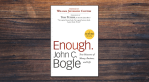 John C. Bogle’s “Enough” emphasizes financial sufficiency over accumulation, advocating for long-term investing, moral business practices, and a purpose-driven approach to money and life.
 - Book Review: Outlive by Peter Attia
 Peter Attia’s “Outlive” emphasizes the importance of preventive healthcare and its financial implications, advocating for early interventions to enhance longevity and reduce healthcare costs.
 - Book Review: Financial Literacy for Young Adults Simplified by Raman Keane
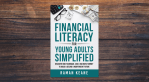 Raman Keane’s “Financial Literacy for Young Adults Simplified” provides a clear introduction to budgeting, saving, and investing, aimed at easing young adults’ financial anxieties, encouraging steady progress.
 - Book Review: Same as Ever by Morgan Housel
 Morgan Housel’s “Same as Ever” emphasizes timeless human behaviors over market predictions, offering insights on emotions, long-term thinking, and risk for better financial outcomes.
 - Book Review: The Diary of a CEO by Steven Bartlett
 The Diary of a CEO details psychological insights on success and personal growth, stressing responsibility, long-term thinking, and emotional control while blending entrepreneurship with life lessons.
 - Book Review: Rich As F*ck by Amanda Frances
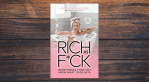 “Rich As F*ck offers a mindset-focused perspective on wealth, emphasizing belief, personal responsibility, and proper pricing, but lacks practical financial guidance and detailed strategies.”
 - Book Review: Real Money by Jim Cramer
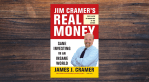 Jim Cramer’s Real Money offers practical investing rules blending market anecdotes and psychological insights. It emphasizes discipline, risk management, and informed decision-making for individual investors.
 - Book Review: Principles of Microeconomics by Betsey Stevenson and Justin Wolfers
 Principles of Microeconomics by Betsey Stevenson and Justin Wolfers explains how individual choices affect markets and financial decisions, providing valuable insights for personal finance and budgeting.
 - Book Review: Principles of Economics by Betsey Stevenson and Justin Wolfers
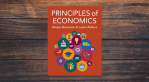 Principles of Economics by Stevenson and Wolfers provides a clear, accessible introduction to economic concepts, emphasizing tradeoffs, incentives, and market behavior to inform financial decisions.
 - Book Review: The Road to Character by David Brooks
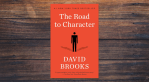 The Road to Character by David Brooks explores the conflict between external achievements and inner values, advocating humility and purpose while critiquing achievement-focused culture’s impact on financial behavior.
 - Book Review: Bobos in Paradise by David Brooks
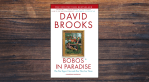 Bobos in Paradise explores the emergence of the bourgeois bohemians, blending traditional values with bohemian ideals, influencing culture, consumer habits, and personal finance concepts.
 - Book Review: The ChatGPT Millionaire by Neil Dagger
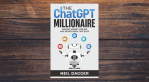 The ChatGPT Millionaire provides beginners with an accessible overview of leveraging AI for online income, emphasizing experimentation and quick execution, though lacking in-depth strategies.
 - Book Review: Digital Gold by Nathaniel Popper
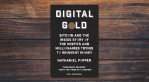 “Digital Gold” by Nathaniel Popper provides historical insights into Bitcoin’s rise, focusing on its key figures, lessons about money, and critiques, yet lacks practical investment guidance.
 - Book Review: Set for Life by Scott Trench
 “Set for Life” by Scott Trench provides actionable strategies for achieving financial independence through frugality, increased income, and disciplined investing, emphasizing housing costs and savings rates.
 - Book Review: The New Money Rules by Lillian Zhang
 The New Money Rules by Lillian Zhang offers Gen Z practical financial guidance, emphasizing budgeting, steady investing, and emotional understanding while being accessible for beginners navigating modern finance challenges.
 - Book Review: The Wealthy Barber by David Chilton
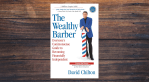 The Wealthy Barber by David Chilton emphasizes simple financial habits and consistent investing, making it a valuable guide for beginners seeking financial independence through practical, enduring principles.
 - Book Review: The Book of Wealth by Brian Kim
 The Book of Wealth by Brian Kim offers a 10-step guide to financial independence, emphasizing budgeting, saving, investing, and disciplined habits for beginners in personal finance.
 - Book Review: The Volatility Shield by David McKnight
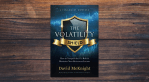 The Volatility Shield by David McKnight redefines retirement withdrawal rules, emphasizes flexibility, and addresses sequence-of-returns risk, making it an accessible guide for effective retirement income planning.
 - Book Review: Tax-Free Income for Life by David McKnight
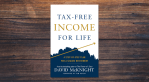 David McKnight’s Tax-Free Income for Life advocates proactive tax planning for retirement, highlighting tax risk, Roth conversions, and life insurance as strategies for tax efficiency.
 - Book Review: The Power of Zero by David McKnight
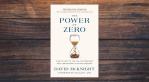 The Power of Zero by David McKnight emphasizes preparing for rising retirement taxes through strategic planning, diversification, and understanding retirement account tax structures for financial security.
 - Book Review: Supercapitalism by Robert Reich
 Supercapitalism examines the evolution of the American economy and its impact on politics, consumer power, and democratic values, emphasizing the balance between market forces and social responsibility.
 - Book Review: How to Make Money in Any Market by Jim Cramer
 Jim Cramer’s book guides retail investors on navigating markets through research, strategy, and risk management, but may not suit those preferring passive investing approaches.
 - Book Review: All the Devils Are Here by Bethany McLean and Joe Nocera
 The 2008 financial crisis reshaped economies, highlighted by “All the Devils Are Here,” which examines risk, incentives, consumer behavior, and the importance of understanding financial complexities.
 - Book Review: The Only Investment Guide You’ll Ever Need by Andrew Tobias
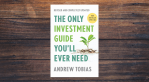 Andrew Tobias’s revised guide simplifies personal finance with humor and common sense, emphasizing budgeting, investing, and understanding financial behavior for lasting stability. It’s ideal for beginners.
 - Book Review: Winners Take All by Anand Giridharadas
 “Winners Take All” examines how elites influence social change, shaping economic systems while encouraging readers to reflect on personal financial decisions within broader societal structures.
 - Book Review: Security Analysis by Benjamin Graham and David Dodd
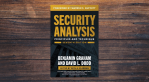 “Security Analysis, by Benjamin Graham and David Dodd, is a foundational text on value investing, emphasizing intrinsic value, margin of safety, disciplined research, and avoiding speculation.”
 - Book Review: Scarcity Brain by Michael Easter
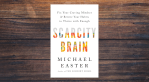 Michael Easter’s Scarcity Brain examines how modern desires for more can hinder happiness, urging readers to recognize and rewire compulsive consumption habits for better fulfillment and financial health.
 - Book Review: The Art of Spending Money by Morgan Housel
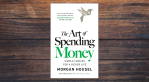 Morgan Housel’s The Art of Spending Money explores using money to enhance life quality. It emphasizes spending for freedom, experiences, and happiness over status and accumulation.
 - Book Review: Simple Money, Rich Life by Bob Lotich
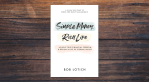 “Simple Money, Rich Life” by Bob Lotich blends financial strategies with faith principles, offering guidance on debt freedom, saving, and generosity for a purposeful life.
 - Book Review: Pathfinders by JL Collins
 Pathfinders by JL Collins illustrates financial independence through real-life stories, emphasizing frugality, index fund investing, and the uniqueness of each individual’s journey toward wealth.
 - Book Review: How to Invest $50–$5,000 by Nancy Dunnan
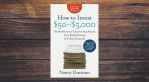 Nancy Dunnan’s How to Invest $50–$5,000 encourages small investments, offering techniques for beginners on growing modest sums while emphasizing patience, diversification, and risk minimization.
 - Book Review: The Accounting Game by Darrell Mullis and Judith Orloff
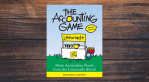 The Accounting Game simplifies accounting through a lemonade stand story, making financial concepts accessible for beginners and fostering financial literacy, despite its limitations for advanced learners.
 - Book Review: The Little Book of Main Street Money by Jonathan Clements
 Jonathan Clements’ The Little Book of Main Street Money balances practical financial guidance with insights into money psychology, ideal for beginners seeking straightforward wealth-building advice.
 - Book Review: From Here to Financial Happiness by Jonathan Clements
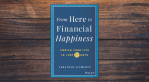 Jonathan Clements’ From Here to Financial Happiness offers a 77-day plan focusing on aligning finances with values, emphasizing simplicity, balance, and the importance of experiences over wealth.
 - Book Review: Accounting Made Simple by Mike Piper
 Mike Piper’s Accounting Made Simple offers an accessible introduction to accounting principles, enabling readers to understand financial statements and make informed investment decisions.
 - Book Review: You Are a Badass at Making Money by Jen Sincero
 Jen Sincero’s You Are a Badass at Making Money emphasizes mindset over numbers, encouraging readers to overcome limiting beliefs and embrace financial confidence through motivation and personal growth strategies.
 - Book Review: Nudge by Richard Thaler
 “Nudge” by Thaler and Sunstein emphasizes how choice architecture influences decisions, promoting better outcomes through subtle adjustments, yet raises ethical concerns and criticisms regarding manipulation and effectiveness.
 - Book Review: Add a Zero by Rose Han
 Rose Han’s “Add a Zero” guides readers toward financial independence through mindset shifts, practical strategies, and relatable storytelling, ideal for beginners in wealth-building.
 - Book Review: Money. Wealth. Life Insurance. by Jake Thompson
 Jake Thompson’s book explores unconventional uses of life insurance for wealth building, highlighting its benefits and criticisms while provoking discussion on personal finance strategies among diverse readers.
 - Book Review: On Work: Money, Meaning, Identity by Derek Thompson
 On Work: Money, Meaning, Identity features Derek Thompson’s essays exploring modern labor’s significance, addressing workism, automation, and their psychological and societal implications for readers.
 - Book Review: A Richer Retirement by William P. Bengen
 William P. Bengen’s book enhances the 4% rule for retirement withdrawals, advocating flexibility and strategic adjustments to maximize financial enjoyment and security for retirees.
 - Book Review: Abundance by Ezra Klein and Derek Thompson
 “Abundance” by Ezra Klein and Derek Thompson examines economic challenges and opportunities, emphasizing intentional progress, the influence of policy, and the psychological aspects of financial decisions.
 - Book Review: The Wealth Ladder by Nick Maggiulli
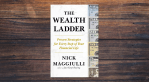 Nick Maggiulli’s The Wealth Ladder provides practical financial strategies for all stages of wealth-building, emphasizing actionable insights, data-driven advice, and the importance of aligning spending with life stages.
 - Book Review: The Second Mountain by David Brooks
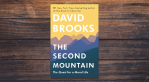 David Brooks’s “The Second Mountain” encourages readers to pursue deeper commitments beyond personal achievements, highlighting the importance of community, joy, and moral purpose in life.
 - Book Review: Flash Crash by Liam Vaughan
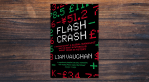 Flash Crash recounts the bizarre 2010 market crash caused by trader Navinder Singh Sarao, blending finance with investigative journalism and psychological insights into trading behavior.
 - Book Review: Saving Capitalism by Robert Reich
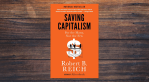 Saving Capitalism by Robert Reich critiques modern capitalism, highlighting how policies favor the wealthy. It connects economic inequality to government regulations and encourages readers to understand the system’s impact on personal finance.
 - Book Review: The Lean Startup by Eric Ries
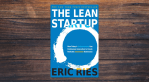 “The Lean Startup” by Eric Ries emphasizes a structured approach to entrepreneurship through continuous innovation, validated learning, and adapting based on customer feedback, aiming to reduce waste and enhance success.
 - Book Review: The Dip by Seth Godin
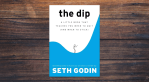 The Dip by Seth Godin teaches strategic quitting versus perseverance. It emphasizes assessing efforts’ long-term value to prioritize what truly matters for success.
 - Book Review: The E-Myth Revisited by Michael E. Gerber
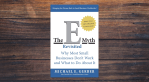 The E-Myth Revisited by Michael E. Gerber emphasizes that small businesses often fail due to founders focusing solely on technical work. It advocates systematization, customer focus, and thinking like an entrepreneur.
 - Book Review: The $100 Startup by Chris Guillebeau
 The $100 Startup by Chris Guillebeau advises aspiring entrepreneurs to leverage existing skills for small business success, emphasizing minimal startup costs, practical action, and solving customer needs while noting potential drawbacks.
 - Book Review: The Startup of You by Reid Hoffman
 The Startup of You by Reid Hoffman and Ben Casnocha teaches managing careers like startups, emphasizing adaptability, self-investment, networking, and intelligent risk-taking to thrive in an uncertain job market.
 - Book Review: How to Make a Few Billion Dollars by Brad Jacobs
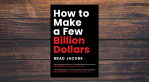 Brad Jacobs outlines his entrepreneurial journey in How to Make a Few Billion Dollars, emphasizing mindset, long-term thinking, and continuous learning, challenging conventional paths to financial success.
 - Book Review: Buffett and Munger Unscripted by Alex Morris
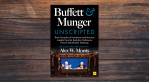 “Buffett and Munger Unscripted” by Alex Morris compiles insights from three decades of Berkshire Hathaway meetings, emphasizing rational decision-making, simplicity, and the importance of a long-term investment philosophy.
 - Book Review: Bullshit Jobs by David Graeber
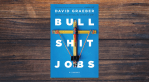 David Graeber’s Bullshit Jobs examines modern work culture, arguing many white-collar jobs are pointless and unfulfilling. It critiques labor’s societal value, urging readers to reassess work’s purpose and personal significance.
 - Book Review: The Outsiders by William Thorndike
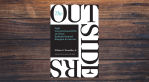 The Outsiders by William Thorndike analyzes eight CEOs who excelled through independent thinking and rational capital allocation, emphasizing long-term value and disciplined decision-making essential for business leadership.
 - Book Review: When Genius Failed by Roger Lowenstein
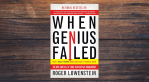 “When Genius Failed” by Roger Lowenstein explores Long-Term Capital Management’s rise and fall, illustrating lessons on risk, overconfidence, and the unpredictability of markets, essential for understanding financial realities.
 - Book Review: Buffett by Roger Lowenstein
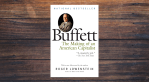 “Buffett: The Making of an American Capitalist explores Warren Buffett’s principles of money management, emphasizing patience, discipline, and rational investment strategies, offering valuable lessons for readers seeking financial independence.”
 - Book Review: Money for Couples by Ramit Sethi
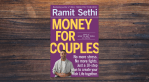 Ramit Sethi’s “Money for Couples” presents a 10-step guide for couples to effectively communicate about finances, fostering teamwork and trust while addressing money management without conflict.
 - Book Review: Where Are the Customers’ Yachts? by Fred Schwed
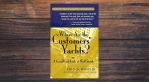 Fred Schwed’s satirical classic, Where Are the Customers’ Yachts?, critiques Wall Street’s priorities, emphasizing the unpredictability of markets, the psychological aspects of investing, and the simplicity of sound financial strategies.
 - Book Review: The Snowball by Alice Schroeder
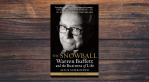 The Snowball, by Alice Schroeder, explores Warren Buffett’s life, habits, and investment principles, emphasizing lessons like compound interest, frugality, and emotional mastery, while providing insightful context beyond financial metrics.
 - Book Review: How Markets Fail by John Cassidy
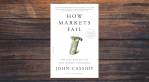 How Markets Fail by John Cassidy analyzes the 2008 financial crisis and critiques free-market ideology, emphasizing that markets can be irrational, the need for regulation, and the importance of understanding economic history for financial resilience.
 - Book Review: Winning the Loser’s Game by Charles Ellis
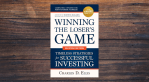 Winning the Loser’s Game by Charles D. Ellis emphasizes long-term, low-cost investing over market speculation. It advocates discipline, saving consistently, and understanding behavioral biases for financial success.
 - Book Review: How to Think About Money by Jonathan Clements
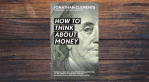 How to Think About Money by Jonathan Clements emphasizes that wealth is about time control and living intentionally. It blends behavioral finance with practical advice, offering perspective for financial decision-making.
 - Book Review: A Wealth of Common Sense by Ben Carlson
 A Wealth of Common Sense by Ben Carlson provides practical, straightforward advice on long-term investing, emphasizing simplicity, behavior, diversification, and patience, while addressing personal finance challenges for everyday readers.
 - Book Review: Backstage Wall Street by Josh Brown
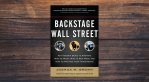 Backstage Wall Street by Josh Brown offers an honest critique of the financial industry, highlighting its pitfalls and urging readers to be cautious with financial advice and prioritize self-education in investing.
 - Book Review: The Automatic Millionaire by David Bach
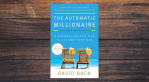 David Bach’s The Automatic Millionaire provides a straightforward strategy for financial success through automation, emphasizing the importance of saving early and consistently, while also addressing criticisms regarding its relevance and accessibility.
 - Book Review: Just Keep Buying by Nick Maggiulli
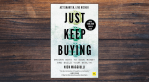 Nick Maggiulli’s “Just Keep Buying” provides a data-driven guide to personal finance, emphasizing consistent investing, flexible saving strategies, and mindful spending. It’s ideal for those seeking practical financial wisdom.
 - Book Review: The Latte Factor by David Bach
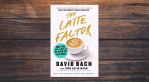 The Latte Factor by David Bach emphasizes mindful spending and automated saving to build wealth through small, consistent actions. It offers accessible financial strategies for any stage of the financial journey.
 - Book Review: Buy This, Not That by Sam Dogen
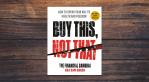 Sam Dogen’s book, Buy This, Not That, offers a unique perspective on personal finance, emphasizing strategic spending for long-term happiness and financial independence rather than extreme frugality or short-term gains.
 - Book Review: Millionaire Milestones by Sam Dogen
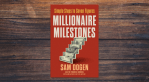 “Millionaire Milestones” by Sam Dogen offers practical strategies for achieving financial independence, emphasizing mindful saving, disciplined investing, and behavioral milestones, anchored in realistic approaches to wealth-building over time.
 - Book Review: The Sweaty Startup by Nick Huber
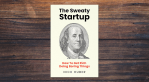 The Sweaty Startup by Nick Huber advocates for building wealth through overlooked, practical service businesses. It emphasizes taking action, identifying inefficiencies, and maintaining financial discipline, catering to proactive, hands-on entrepreneurs.
 - Book Review: The School of Greatness by Lewis Howes
 The School of Greatness by Lewis Howes offers motivational insights on personal development, focusing on mindset and daily habits essential for financial success, though it lacks concrete financial strategies.
 - Book Review: Tax-Free Wealth by Tom Wheelwright
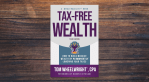 Tax-Free Wealth by Tom Wheelwright emphasizes the importance of understanding taxes for wealth building, advocating for strategic financial planning, year-round tax strategies, and leveraging tax laws for business and investment benefits.
 - Book Review: The Man Who Solved the Market by Gregory Zuckerman
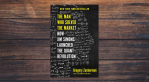 Jim Simons, a mathematician, revolutionized Wall Street by founding Renaissance Technologies, emphasizing data over traditional financial wisdom. Gregory Zuckerman’s book reveals insights about investing, discipline, and unconventional thinking.
 - Book Review: The No-Spend Challenge Guide by Jen Smith
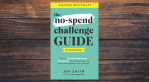 The No-Spend Challenge Guide by Jen Smith helps readers break impulsive spending habits, pay off debt, and establish intentional financial practices through relatable advice and community support, though it may lack depth for long-term strategies.
 - Book Review: The Year of Less by Cait Flanders
 Cait Flanders’ memoir, The Year of Less, chronicles her year-long shopping ban, exploring emotional ties to spending, minimalism, and personal finance, offering insights for mindful spending and financial control.
 - Book Review: Buy Then Build by Walker Deibel
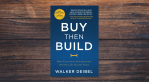 Buy Then Build by Walker Deibel offers a strategic approach to acquisition entrepreneurship, encouraging readers to buy existing businesses for quicker wealth building and financial independence, while also presenting associated risks.
 - Book Review: Happy Money by Ken Honda
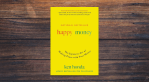 Happy Money by Ken Honda emphasizes the emotional relationship with money, distinguishing between “Happy Money” and “Unhappy Money,” encouraging gratitude, healing emotional wounds, generosity, and focusing on money flow for better financial well-being.
 - Book Review: The Money School by Nicole Lapin
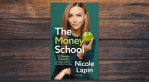 The Money School by Nicole Lapin offers 12 accessible lessons on personal finance, aimed at beginners. It emphasizes understanding one’s financial story, basic investing, and the importance of seeking guidance, making finance approachable.
 - Book Review: Dividend Investing Made Easy by Matthew Kratter
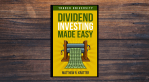 Dividend Investing Made Easy by Matthew Kratter is a concise guide for beginners on generating passive income through dividends, emphasizing long-term strategies, reliable investments, and the importance of patience.
 - Book Review: Dividend Growth Machine by Nathan Winklepleck
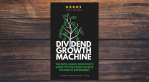 “Dividend Growth Machine” by Nathan Winklepleck is an accessible guide for novice investors, emphasizing the long-term benefits of dividend stocks, consistent investing, and the importance of quality companies in building wealth.
 - Book Review: The Buy Borrow Die Strategy Without Millions by Nathan Parker
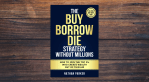 Nathan Parker’s The Buy Borrow Die Strategy teaches everyday Americans how to build wealth using tactics traditionally reserved for the wealthy, emphasizing mindset shifts, strategic borrowing, and minimizing taxes.
 - Book Review: Americana by Bhu Srinivasan
 Americana: A 400-Year History of American Capitalism by Bhu Srinivasan explores the evolution of American capitalism, highlighting key innovations, government roles, and the interconnectedness of commerce and culture over four centuries.
 - Book Review: The Price of Tomorrow by Jeff Booth
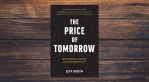 Jeff Booth’s The Price of Tomorrow argues that technological deflation, rather than inflation, drives prosperity, urging readers to adapt to evolving economic realities and challenges.
 - Book Review: Bailout Nation by Barry Ritholtz
 Bailout Nation by Barry Ritholtz examines the 2008 financial crisis, emphasizing moral hazard, the Federal Reserve’s impact, and accountability issues, while providing historical context for readers seeking financial insights.
 - Book Review: Top 25 Ways an IUL Can Secure Your Financial Future by Mark Quann
 Mark Quann’s book discusses using Indexed Universal Life insurance as a flexible wealth-building tool, emphasizing tax-free growth and legacy planning while critiquing conventional retirement strategies. It’s accessible but requires caution.
 - Book Review: Too Big to Fail by Andrew Ross Sorkin
 Too Big to Fail by Andrew Ross Sorkin provides an insightful account of the 2008 financial crisis, illustrating emotional decision-making and accountability issues in finance, essential for understanding the financial system.
 - Book Review: Rich Man Poor Bank by Mark Quann
 Mark Quann’s “Rich Man Poor Bank” critiques traditional banking and financial advice, urging readers to understand financial systems better, embrace self-education, and take control of their wealth-building strategies.
 - Book Review: Top 10 Ways to Avoid Taxes by Mark Quann
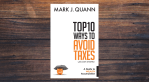 Mark Quann’s “Top 10 Ways to Avoid Taxes” offers strategies for legally reducing tax burdens, emphasizing business ownership and life insurance, though it may lack depth for seasoned financial readers.
 - Book Review: Medicare Mama’s Guide to Medicare and Social Security Retirement by Sylvia Gordon
 Sylvia Gordon’s Medicare Mama’s Guide simplifies Medicare and Social Security for those nearing retirement, offering practical advice in plain language. It’s ideal for beginners seeking clarity and confidence in navigating government programs.
 - Book Review: Tap Dancing to Work: Warren Buffett on Practically Everything by Carol Loomis
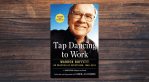 “Tap Dancing to Work presents a curated collection of Warren Buffett articles by Carol Loomis, offering timeless insights into investing, frugality, and financial independence for readers at various experience levels.”
 - Book Review: Principles: Life and Work by Ray Dalio
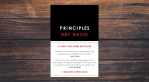 Principles: Life and Work by Ray Dalio combines memoir and guidance, offering insights on decision-making, productivity, and self-awareness. It emphasizes radical transparency, systems thinking, and learning from failures for personal growth.
 - Book Review: The Tycoons by Charles R. Morris
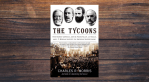 The Tycoons by Charles R. Morris explores the impact of Andrew Carnegie, John D. Rockefeller, Jay Gould, and J. P. Morgan on American capitalism during the Gilded Age, highlighting ambition, risk, and historical patterns.
 - Book Review: The Return of Depression Economics and the Crisis of 2008 by Paul Krugman
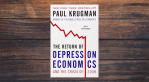 The Return of Depression Economics by Paul Krugman analyzes financial system failures, highlights the need for government intervention, and underscores the psychological factors in economic crises, offering essential insights for informed decision-making.
 Winchell House